How to Start a Wildflower Meadow in Your Backyard
Learn how to start a wildflower meadow in your backyard. Complete guide with site preparation, seed selection, planting tips, and maintenance.
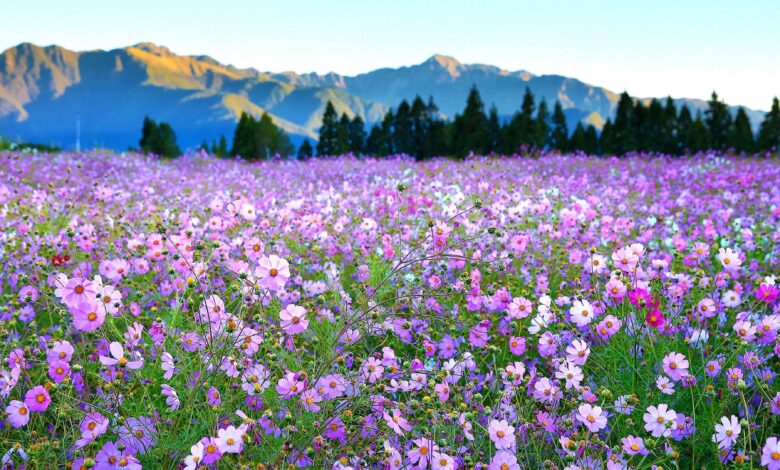
Transform your ordinary lawn into a vibrant wildflower meadow that attracts pollinators, supports biodiversity, and reduces maintenance work significantly. Creating a wildflower meadow in your backyard is an increasingly popular choice for environmentally conscious homeowners who want to escape traditional turfgrass monoculture. Unlike conventional lawns that require constant mowing, chemical fertilizers, and herbicides, a wildflower garden provides a sustainable alternative that benefits both your property and the local ecosystem.
A how-to start wildflower meadow project begins with establishing a meadow is a three-year commitment, with the first year focused on critical site preparation. Many homeowners underestimate the importance of removing existing vegetation and eliminating the weed seed bank before sowing. When done correctly, establishing a wildflower meadow creates a self-sustaining plant community that thrives with minimal intervention. This guide provides comprehensive, step-by-step instructions on meadow establishment methods, helping you avoid common pitfalls and achieve a thriving, diverse display of native flowers and grasses that will bloom from spring through late fall, providing essential nectar and pollen for bees, butterflies, and other beneficial insects.
Wildflower Meadows: Definition and Benefits
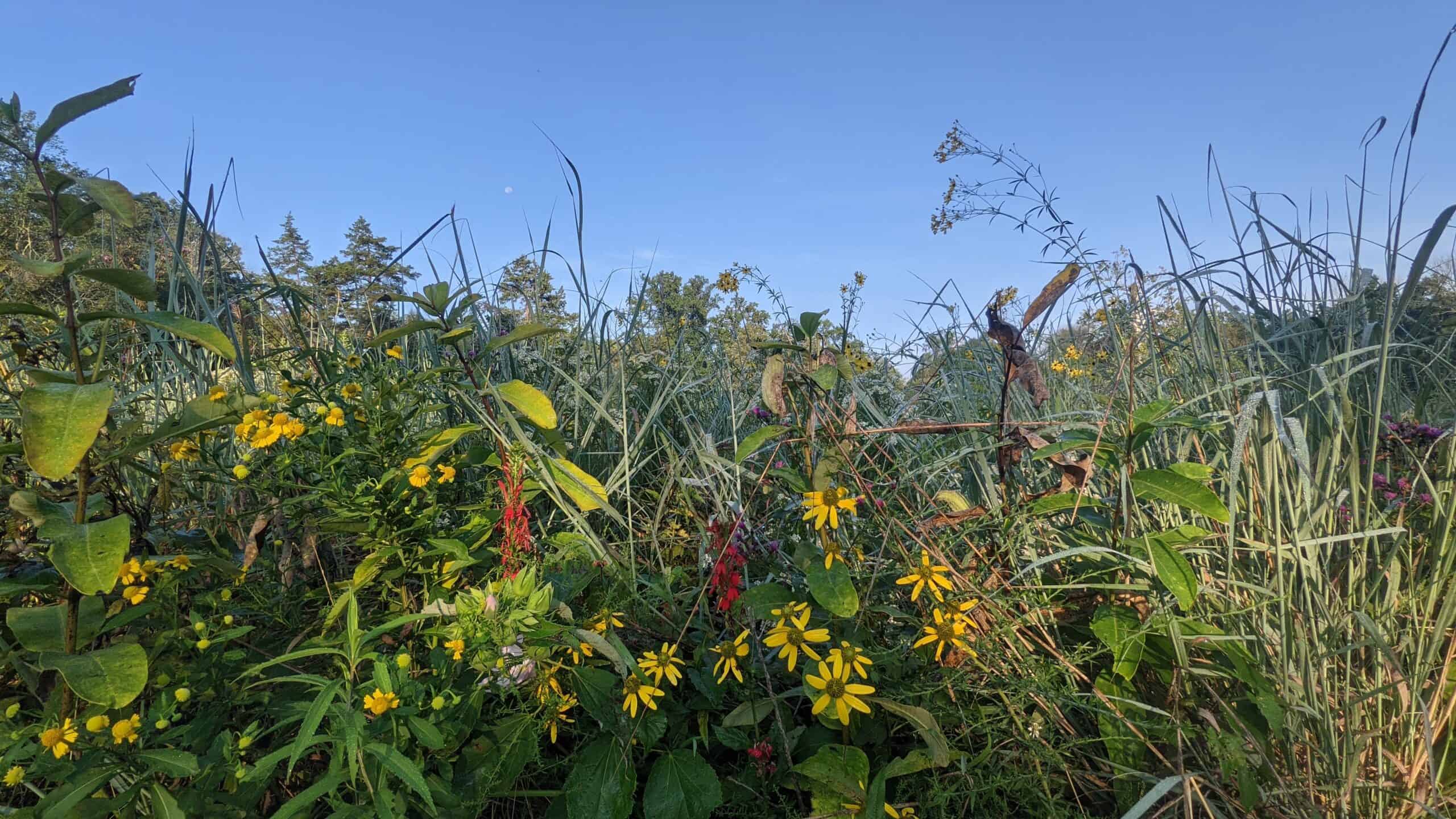
A wildflower meadow is an informal landscape feature dominated by native flowering plants and grasses, designed to provide ecological benefits while reducing garden maintenance. Unlike formal garden beds, these spaces mimic natural grassland ecosystems, creating habitat complexity that modern lawns cannot provide. Wildflower meadows for pollinators have become essential in our changing landscapes, as native bee populations, monarch butterflies, and other beneficial insects face declining habitat availability.
The environmental advantages of starting a wildflower meadow extend beyond aesthetics. These spaces reduce erosion on slopes, decrease harmful runoff that pollutes waterways, eliminate the need for harsh synthetic herbicides and fertilizers, and improve overall soil health. Once established, a lawn requires significantly less water than traditional turf, making it an ideal choice for regions experiencing drought conditions. Additionally, wildflower garden design supports climate resilience by creating carbon-sequestering vegetation that strengthens soil structure and promotes biological diversity at the microbial level.
Assessing Your Site: Sunlight, Drainage, and Soil Conditions
Before beginning wildflower meadow creation, thoroughly evaluate your potential planting location. A successful wildflower meadow site requires full sun exposure, ideally receiving 6 to 8 hours of direct sunlight daily. While some wildflower species tolerate partial shade or wetland conditions, most native plants establish best in open, well-drained areas. Take time to observe your yard throughout different seasons, noting areas where water pools after rainfall and sections that experience consistent, intense sun exposure.
Soil testing is crucial for wildflower meadow success. Most thrive in poor, low-nutrient soil, making heavy clay, sandy, or acidic soils perfectly suitable for meadow establishment. In fact, fertile soils often hinder growth by promoting competitive grass vigor. Test your soil’s pH level and nutrient composition—phosphorus levels are particularly important, as high phosphorus availability reduces diversity. If your lawn has been treated with chemical fertilizers or compost, you may need to remove the top layer of nutrient-rich topsoil to create appropriate conditions for native wildflower establishment.
Minimum meadow size recommendations suggest at least 400 square feet to support adequate plant diversity and create sustainable self-competition against weeds. Smaller areas can work, but they’re more vulnerable to weed invasion and require more intensive management during the critical establishment phase.
Site Preparation: The Foundation of Success
The most critical step in establishing a wildflower meadow involves comprehensive site preparation. This phase, typically taking 6 to 8 weeks minimum, determines whether your meadow will thrive or struggle against persistent weeds. The fundamental principle is eliminating existing vegetation, depleting the dormant weed seed bank, and creating a clean seedbed where seeds can establish without excessive competition from aggressive grasses.
Method 1: Black Plastic Smothering Technique
Plastic mulching represents one of the most effective and chemical-free wildflower meadow preparation methods. Begin by scalping your lawn as short as possible (2 inches or less) and removing all debris. Cover the prepared area with 4 to 6-mil UV-resistant black plastic, burying the edges completely to trap light and prevent grass regrowth. This smothering technique blocks photosynthesis, killing both established vegetation and most dormant weed seeds near the surface. After 8 to 12 weeks, remove the plastic to reveal bare soil ready for direct seeding.


This method works particularly well for small to medium-sized areas and requires minimal labor after initial setup. The plastic can be cleaned and reused for future projects, reducing overall costs. However, smothering requires patience and doesn’t kill all weed seeds, particularly those buried deep in the soil profile.
Method 2: Solarization for High Weed Pressure
Soil solarization uses clear plastic and solar heat to sterilize soil, killing weed seeds, pathogens, and germinating vegetation. Cover moist, tilled soil with clear plastic for 4 to 6 weeks during warm summer months. Temperatures beneath clear plastic reach approximately 108°F at a 2-inch depth, creating conditions lethal to most seeds and microorganisms. This method works best in sunny climates and regions with consistent heat but may be less effective in cool or cloudy seasons.
Method 3: Mechanical Removal and Repeated Tilling
For larger areas or heavy clay soils, rent a sod cutter to remove the top layer of established turf, then perform deep tilling 6 to 8 weeks before planting. Set the sod cutter blade depth to approximately half an inch. Till deeply to dislodge deep-rooted perennial weeds and grasses, then repeat tilling every 2 to 3 weeks at shallower depths to eliminate newly germinated weed seedlings. This method is labor-intensive but provides immediate bare soil and works well when combined with repeated cultivation cycles.
Choosing the Right Wildflower Mix
Successful wildflower meadow establishment depends on selecting appropriate plant species for your specific site conditions. Different regions require different native wildflower species, and soil types dramatically influence which plants will thrive. Purchase seed early in summer to ensure availability of preferred varieties, and ask suppliers to package grass seed separately from smaller seeds for easier, more even distribution.
For optimal results, choose a wildflower seed mix that includes perennials, annuals, and biennials. Native grasses should comprise 50 to 80 percent of the total mix, providing structural support for tall flowers, controlling erosion, and creating essential wildlife habitat. Include species with staggered bloom times to ensure continuous flowering from spring through autumn. Species such as Black-eyed Susan, Coreopsis, Foxglove Beardtongue, and Wild Bergamot provide reliable color and excellent pollinator value.
For established meadows, Yellow Rattle deserves special mention. This semi-parasitic annual plant weakens surrounding grass vigor by drawing nutrients directly from grass roots, giving other a competitive advantage. Including Yellow Rattle in your wildflower meadow mix significantly improves first-year establishment success and is particularly valuable in grass-dominant sites.
Wildflower Planting Methods: Seeds vs. Plugs vs. Turf
Direct Seed Sowing: Cost-Effective Establishment
Direct seeding represents the most economical wildflower meadow establishment method. Mix seeds with moist vermiculite or silver sand to improve visibility and ensure even distribution. Sow half your seeds lengthwise across the planting area, then sow the remaining half widthwise to achieve comprehensive coverage. For optimal results, sow in late summer or early autumn (August through October), allowing seeds exposure to winter cold that breaks dormancy for many species. Autumn sowing typically results in less weed competition than spring sowing, though spring sowing (March through May) works in areas with heavy clay soils.
Sowing rates depend on seed type: apply 1-2 grams per square meter for pure mixtures, or 4 grams per square meter for grass-and-blends. After broadcasting, rake lightly to ensure seed-to-soil contact, then water thoroughly. Some gardeners apply light straw mulch to protect seeds and improve moisture retention, though removing mulch later requires careful labor to avoid damaging emerging seedlings.
Wildflower Plugs and Transplants
Wildflower plugs accelerate establishment timelines by providing young plants with head-starts in growth and development. Small container-grown plants can be mixed with seed or planted alone in intentional groupings for more designed appearances. Plant plugs at densities of 20 plants per square meter in early spring (March through April), watering thoroughly throughout the first 10 weeks of establishment. This method costs more than seed but provides faster, more reliable flowering results.
Pre-grown Wildflower Turf Rolls
For the ultimate in reliability and immediate impact, wildflower turf provides pre-established meadow mats that retain 100 percent of root systems. These rolls offer instant ground cover, natural weed suppression, and nearly guaranteed success, though at significantly higher cost. Wildflower turf establishment requires minimal site preparation and allows you to view immediate flowering results.
First Year: Critical Establishment and Weed Management
Year one of wildflower meadow creation involves intensive management aimed at protecting and developing wildflower seedlings from competitive vegetation. During the first growing season after planting, mow frequently—typically 1 to 4 times depending on growth rates. Cut to heights of 5 to 7 centimeters whenever vegetation reaches 10 to 20 centimeters, keeping tall-growing weeds suppressed while allowing and native grasses to establish strong root systems.
Hand-weed persistent weed species such as thistles, nettles, and docks early in the season before they set seed. Avoid chemical herbicide applications when possible, as these can stress or kill developing . However, if crabgrass threatens to smother young plants, a single post-emergent selective herbicide application before the weed sets seed may be justified.
By late June, watch for initial bloom, including Coreopsis and Columbine, followed by Foxglove Beardtongue and Black-eyed Susan. These early displays motivate you as you continue intensive first-year management. Remove all mowing clippings to prevent them from decomposing and enriching soil fertility—excess nutrients promote competitive grass growth that crowds out .
Years Two Through Four: Patience, Growth, and Maturation
During wildflower meadow year two, initial impressions often disappoint gardeners expecting abundant flowering. Most species require two growing seasons to reach maturity and produce reliable blooms, making patience essential. Perennial species germinate in year one, flower and set seed in year two, then go dormant over winter before re-establishing in spring. Some plugs may flower in their first year, but seed-grown plants typically show more reserved performances initially.
Continue wildflower meadow maintenance by mowing 1 to 2 times annually during established phases. Mow in late July or August after have set seed, cutting to approximately 5 centimeters. A second autumn cut in September or October can be beneficial on fertile soils to use up excess nutrients and keep aggressive grasses suppressed. Always remove clippings after 2 to 3 days to prevent soil enrichment through decomposition.
By year three and beyond, established meadows display dramatic diversity with continuous blooms from spring through late fall. Black-eyed Susan, Coreopsis, and similar early bloomers often migrate to meadow edges naturally, displaced by stronger mid-summer species like Wild Bergamot and Oxeye Sunflower. Fall bloomers such as Goldenrod and Asters provide late-season nectar crucial for migrating monarchs and other wildlife preparing for winter dormancy.
Maintenance Keep Your Meadow Thriving
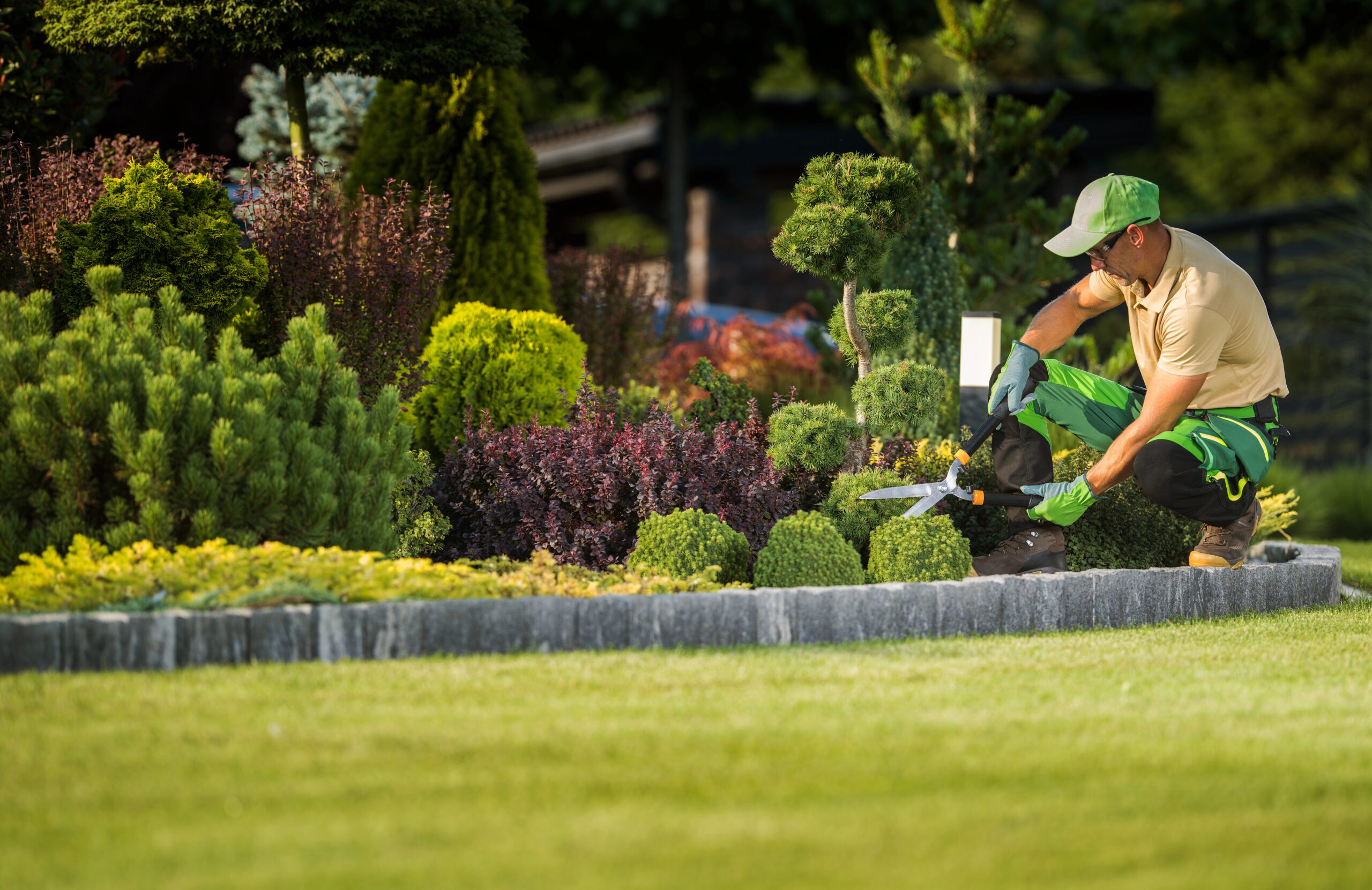
Long-term wildflower meadow maintenance requires attention to mowing schedules, occasional weeding, and water management. Established meadows need far less maintenance than traditional lawns, yet some intervention remains essential for sustained diversity.
Mowing Strategy
Standard wildflower meadow cutting follows three main timings. Spring cutting (late March through April) helps when grass grows vigorously and crowds developing cut to 7.5 centimeters height. The main summer “hay cut” removes bulk material between late June and August, with timing adjusted based on which species you prioritize. An autumn cut between late August and November uses remaining soil nutrients and prevents woody plant encroachment.
Water Management
Once established, wildflower meadow watering requirements remain minimal. In areas receiving adequate rainfall, no supplemental watering is necessary except during extended droughts. Year-one transplants require approximately 1 inch per week until roots mature, but established plants develop deep root systems that access moisture unavailable to shallow-rooted turf grasses. This superior drought tolerance makes wildflower gardens increasingly valuable in water-stressed regions.
Weed and Pest Management
Most persistent issues involve perennial weeds that appear despite thorough site preparation. Hand-pull or dig out emerging weed seedlings before they set seed. Spot-treat particularly persistent species with selective herbicides if necessary, though integrated management emphasizing prevention through soil fertility reduction works best long-term. Wildlife such as small mammals, amphibians, and nesting birds appreciate the shelter your meadow provides—be cautious and observant during mowing to avoid harming these beneficial creatures.
Special Considerations: Different Conditions and Situations
Dry and Arid Regions
Drought-tolerant wildflower meadows thrive in arid climates using specially selected species adapted to limited water availability. Popular drought-resistant include Coreopsis, native Salvia species, Desert Marigold, and regional-specific natives. Incorporate drought-tolerant native grasses such as Blue Grama and Sideoats Grama for structure and erosion control. These specialized meadows reduce water consumption dramatically while creating vibrant landscapes perfectly suited to your climate.
Shade and Woodland Edges
Not all locations receive full sun. Shade-tolerant wildflower species establish successfully in partially shaded areas, particularly along woodland edges or properties with mature tree cover. Species such as Columbine, Wild Geranium, and Hellebore adapt to reduced light conditions while maintaining aesthetic and ecological value. Select appropriate shade wildflower mixes specifically formulated for partial-shade establishment rather than forcing sun-loving species into challenging conditions.
Converted Lawns vs. Bare Ground
Converting existing lawns to wildflower meadows requires more intensive site preparation than starting on bare ground, yet many homeowners prefer this approach. Begin by scalping the lawn short and removing all clippings. Apply black plastic or perform aggressive tilling and repeated herbicide applications to kill established turf. The effort proves worthwhile, as established lawn grasses represent the most serious competitor to wildflower establishment.
Environmental and Ecological Benefits
Creating a wildflower meadow provides immense ecological value beyond visual beauty. These spaces serve as critical habitat for native pollinators, with bees, butterflies, and other beneficial insects depending on nectar and pollen for survival. Research demonstrates that habitats support 2-3 times more pollinator species than conventional lawns, directly contributing to food crop pollination and agricultural productivity.
Wildlife and wildflower meadows create complex mini-ecosystems supporting songbirds, small mammals, amphibians, and countless invertebrate species. Dense vegetation provides nesting sites, overwintering habitat, and protective cover. Structural diversity created by mixed heights of and grasses offers microhabitats for creatures needing specific conditions. Establishing native wildflower gardens essentially creates a functioning ecosystem requiring minimal human intervention once mature.
More Read: The Top Gardening Trends to Watch in 2025
Conclusion
Starting a wildflower meadow requires patience, planning, and commitment through the critical establishment phase, but the rewards extend far beyond personal satisfaction. By following comprehensive site preparation protocols, selecting appropriate native species for your specific conditions, and maintaining proper mowing schedules, you create a thriving ecosystem that supports pollinators, enhances biodiversity, reduces water consumption, eliminates toxic chemicals, and provides continuous seasonal beauty with minimal maintenance compared to traditional lawns.
Whether you’re converting an existing lawn or starting from bare ground, remember that meadow success depends fundamentally on year-one site preparation—invest time eliminating competitive vegetation and you’ll establish a self-sustaining landscape that evolves beautifully for decades, transforming your backyard into a vibrant habitat that benefits your local ecosystem while reducing your environmental footprint.