Best Native Plants for Your State Complete Regional Guide
Discover the best native plants for your state with our complete regional guide. Learn sustainable landscaping tips and eco-friendly gardening solutions.

Selecting the right native plants for your garden transforms ordinary landscapes into thriving ecosystems that support local wildlife while requiring minimal maintenance. Whether you’re an experienced gardener or just starting your journey toward sustainable landscaping, understanding which plants native to your region will flourish in your specific climate zone is essential for creating a beautiful, low-maintenance garden that benefits both your property and the environment.
Native plants have evolved over thousands of years to adapt perfectly to local soil conditions, rainfall patterns, and temperature fluctuations in their specific regions. These remarkable indigenous plants require significantly less water, fertilizer, and pesticides compared to non-native species, making them an environmentally conscious choice for homeowners seeking eco-friendly gardening solutions. From the drought-resistant succulents of the Southwest to the moisture-loving ferns of the Pacific Northwest, each region of the United States boasts unique native plant species that have developed symbiotic relationships with local pollinators, birds, and beneficial insects.
This comprehensive regional plant guide explores the best native plants by state, providing detailed recommendations organized by major geographic regions across America. You’ll discover which native wildflowers, trees, shrubs, and ground covers thrive in your specific area, learn about their ecological benefits, and understand how to incorporate them into stunning landscape designs. Whether you’re interested in attracting butterflies and hummingbirds, reducing your lawn maintenance, or supporting biodiversity in your backyard, planting native species offers practical solutions that align with sustainable gardening practices.
Throughout this guide, we’ll examine proven strategies for selecting appropriate native plants for landscaping, understanding regional growing conditions, and creating beautiful gardens that honor your local ecosystem. By choosing native plant species adapted to your state’s unique climate and soil characteristics, you’ll cultivate a resilient garden that flourishes year after year with minimal intervention while providing critical habitat for wildlife.
Native Plants and Their Importance
Native plants are species that occur naturally in a particular region, ecosystem, or habitat without human introduction. These plants have co-evolved with local wildlife over millennia, forming intricate relationships that sustain entire ecosystems. Understanding the significance of native plant gardening helps homeowners make informed decisions about their landscapes.
The importance of native plants extends far beyond simple aesthetics. These species form the foundation of regional food webs, providing essential nutrition for native insects, which in turn support birds and other wildlife. Research indicates that native plants support up to four times more insect biomass compared to non-native species, directly impacting the health of local bird populations that rely on these insects to feed their young.
Native plant landscaping offers substantial environmental benefits including reduced water consumption, elimination of chemical fertilizers and pesticides, improved soil health, and enhanced carbon sequestration. These plants are naturally adapted to local rainfall patterns and soil types, requiring far less irrigation than traditional landscaping plants once established.
Additionally, native gardens help preserve genetic diversity and protect regional plant populations from decline. Many native plant species face habitat loss due to development and agricultural expansion, making residential gardens important refuges for these vulnerable species. By incorporating indigenous plants into home landscapes, gardeners actively participate in conservation efforts while creating beautiful, functional outdoor spaces.
Northeast Region: Native Plants for Coastal and Woodland States
The Northeast region encompasses diverse ecosystems ranging from coastal habitats to dense deciduous forests, requiring native plants adapted to cold winters, moderate summers, and abundant precipitation.


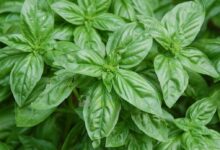
Best Native Trees and Shrubs
Native trees for Northeastern states include Red Maple (Acer rubrum), which provides spectacular fall color and adapts to various soil conditions. Eastern Redbud (Cercis canadensis) offers stunning spring blooms and supports numerous butterfly species. White Oak (Quercus alba) serves as a keystone species, supporting over 500 caterpillar species that feed songbirds.
For shrubs, Winterberry Holly (Ilex verticillata) provides critical winter food for birds with its brilliant red berries. Mountain Laurel (Kalmia latifolia) thrives in acidic soils and produces beautiful spring flowers. Arrowwood Viburnum (Viburnum dentatum) supports pollinators and offers berries for wildlife while tolerating various light conditions.
Wildflowers and Perennials
Native wildflowers transform Northeastern gardens into pollinator havens. Purple Coneflower (Echinacea purpurea) attracts butterflies and goldfinches while tolerating drought once established. Black-Eyed Susan (Rudbeckia hirta) provides months of golden blooms and self-seeds readily. Wild Columbine (Aquilegia canadensis) attracts hummingbirds with its distinctive red and yellow flowers.
For shaded areas, Wild Geranium (Geranium maculatum) produces delicate purple blooms in spring. Bloodroot (Sanguinaria canadensis) offers early spring flowers before deciduous trees leaf out. Solomon’s Seal (Polygonatum biflorum) creates elegant arching stems with hanging white flowers perfect for woodland gardens.
Ground Covers and Ferns
Pennsylvania Sedge (Carex pensylvanica) serves as an excellent native lawn alternative for shaded areas, requiring no mowing. Wild Ginger (Asarum canadense) creates dense carpets in woodland settings with attractive heart-shaped leaves. Christmas Fern (Polystichum acrostichoides) remains evergreen throughout winter, providing year-round interest.
Southeast Region: Heat-Tolerant Native Plants
The Southeast features humid subtropical climates with hot summers, mild winters, and abundant rainfall, supporting native plants adapted to heat and moisture.
Native Trees and Large Shrubs
Southern Magnolia (Magnolia grandiflora) stands as an iconic native tree with glossy evergreen leaves and fragrant white flowers. Bald Cypress (Taxodium distichum) thrives in wet soils and provides stunning russet fall color. Live Oak (Quercus virginiana) creates majestic shade with spreading branches draped in Spanish moss.
Wax Myrtle (Morella cerifera) adapts to various conditions while providing berries for birds. Beautyberry (Callicarpa americana) produces striking purple berries in fall that wildlife devour. Yaupon Holly (Ilex vomitoria) tolerates salt spray and serves as an excellent evergreen screening plant.
Flowering Perennials and Natives
Native wildflowers add vibrant color to Southern gardens. Cardinal Flower (Lobelia cardinalis) produces spectacular red spikes that hummingbirds adore. Swamp Sunflower (Helianthus angustifolius) thrives in wet areas with cheerful yellow blooms. Coral Honeysuckle (Lonicera sempervirens) attracts hummingbirds without becoming invasive like its exotic relatives.
Blanket Flower (Gaillardia pulchella) tolerates heat and drought while providing continuous blooms. Lanceleaf Coreopsis (Coreopsis lanceolata) brightens spring gardens with yellow flowers. Southern Blue Flag Iris (Iris virginica) flourishes in wet soils with stunning blue flowers.
Midwest Region: Prairie Native Plants for Continental Climates
The Midwest experiences continental climates with cold winters, hot summers, and variable precipitation, making native prairie plants ideal choices for resilient landscapes.
Native Grasses
Little Bluestem (Schizachyrium scoparium) transforms copper and burgundy in fall, providing four-season interest. This native grass supports numerous butterfly and moth species while requiring minimal maintenance. Big Bluestem (Andropogon gerardii) reaches impressive heights and once dominated tallgrass prairies. Switchgrass (Panicum virgatum) offers vertical interest and beautiful seed heads that persist through winter.
Prairie Wildflowers
Native wildflowers restore prairie beauty to Midwestern gardens. Purple Prairie Clover (Dalea purpurea) fixes nitrogen while attracting bees and butterflies. Rattlesnake Master (Eryngium yuccifolium) produces unique spherical white flowers. Prairie Blazing Star (Liatris pycnostachya) creates dramatic purple spikes that butterflies and hummingbirds visit enthusiastically.
Compass Plant (Silphium laciniatum) produces towering yellow flowers and deeply cut leaves. Wild Bergamot (Monarda fistulosa) attracts pollinators with lavender blooms and aromatic foliage. Gray-Headed Coneflower (Ratibida pinnata) offers distinctive drooping yellow petals around prominent cones.
Native Shrubs and Small Trees
Pagoda Dogwood (Cornus alternifolia) provides layered branching structure and berries for birds. Serviceberry (Amelanchier arborea) offers spring flowers, edible berries, and fall color. Ninebark (Physocarpus opulifolius) tolerates various conditions with attractive peeling bark and clusters of white flowers.
Southwest Region: Drought-Resistant Native Plants
The arid Southwest requires native plants adapted to intense sun, low humidity, minimal rainfall, and extreme temperature fluctuations, making drought-tolerant species essential.
Desert Native Plants and Succulents
Saguaro Cactus (Carnegiea gigantea) symbolizes the Sonoran Desert, providing nest cavities for birds and flowers for bats. Prickly Pear (Opuntia species) offers edible pads and fruits while creating living barriers. Agave species store water in succulent leaves, creating dramatic architectural focal points that require no supplemental irrigation once established.
Native Shrubs and Trees
Desert Willow (Chilopsis linearis) produces orchid-like flowers throughout summer while tolerating extreme heat. Mesquite (Prosopis species) fixes nitrogen, provides filtered shade, and supports numerous wildlife species. Ocotillo (Fouquieria splendens) creates living sculptures that burst into red blooms after rainfall.
Creosote Bush (Larrea tridentata) dominates desert landscapes with aromatic foliage and extreme drought tolerance. Brittlebush (Encelia farinosa) produces cheerful yellow flowers and silvery foliage adapted to reflect intense sunlight.
Colorful Desert Wildflowers
Desert Marigold (Baileya multiradiata) blooms nearly year-round with golden flowers. Penstemon species provide tubular flowers in various colors that hummingbirds favor. Globe Mallow (Sphaeralcea species) produces papery flowers in shades of orange, pink, and red while tolerating poor soils.
Mountain West: Native Plants for High Elevation Gardens
Mountain regions experience short growing seasons, intense UV radiation, temperature extremes, and variable precipitation, requiring hardy native plants adapted to challenging alpine conditions.

Native Conifers and Aspens
Quaking Aspen (Populus tremuloides) creates groves connected by root systems, displaying golden fall color. Colorado Blue Spruce (Picea pungens) provides year-round structure with blue-gray needles. Limber Pine (Pinus flexilis) withstands harsh mountain conditions while supporting crossbills and nutcrackers.
Alpine and Subalpine Wildflowers
Columbine species (Aquilegia various) serve as state flowers across the Mountain West, attracting hummingbirds with spurred blooms. Blanket Flower (Gaillardia aristata) thrives in mountain gardens with cheerful red and yellow flowers. Penstemon species provide abundant tubular flowers perfect for high-elevation pollinators.
Lupine (Lupinus species) fixes nitrogen while creating stunning flower spikes in blue, purple, pink, and white. Indian Paintbrush (Castilleja species) produces vibrant bracts in reds, oranges, and yellows. Rocky Mountain Bee Plant (Cleome serrulata) attracts numerous pollinators with pink flower clusters.
Native Shrubs for Mountain Gardens
Antelope Bitterbrush (Purshia tridentata) provides critical wildlife browse while tolerating poor soils. Mountain Mahogany (Cercocarpus species) offers evergreen foliage and interesting seed plumes. Serviceberry (Amelanchier alnifolia) produces edible berries, spring flowers, and supports numerous insects.
Pacific Northwest: Native Plants for Coastal Temperate Forests
The Pacific Northwest features mild, wet winters and dry summers, supporting lush native plants adapted to shade and moisture followed by summer drought.
Native Trees and Evergreens
Douglas Fir (Pseudotsuga menziesii) dominates Pacific Northwest forests, providing shelter for countless wildlife species. Western Red Cedar (Thuja plicata) creates massive evergreen specimens with aromatic wood. Vine Maple (Acer circinatum) offers stunning fall color and understory structure beneath taller conifers.
Shade-Tolerant Native Plants
Western Sword Fern (Polystichum munitum) creates lush evergreen groundcover in shaded gardens. Oregon Grape (Mahonia aquifolium) provides evergreen foliage, yellow spring flowers, and edible berries. Salal (Gaultheria shallon) forms dense thickets with attractive foliage and berries favored by birds.
Inside-Out Flower (Vancouveria hexandra) creates delicate groundcover with unique white flowers. Trillium species produce distinctive three-petaled flowers in woodland settings. Redflowering Currant (Ribes sanguineum) attracts early-season hummingbirds with drooping pink flower clusters.
Pacific Wildflowers
Camas (Camassia quamash) produces stunning blue flower spikes in spring meadows. Western Columbine (Aquilegia formosa) attracts hummingbirds with red and yellow blooms. Bleeding Heart (Dicentra formosa) creates attractive ferny foliage and distinctive pink heart-shaped flowers.
California: Mediterranean Climate Native Plants
California’s diverse ecosystems support unique native plants adapted to wet winters, dry summers, and variable elevation zones from coastal to inland regions.
Coastal Native Plants
California Poppy (Eschscholzia californica) serves as the state flower, producing brilliant orange blooms and self-seeding readily. Coast Live Oak (Quercus agrifolia) provides evergreen shade and supports exceptional biodiversity. California Fuchsia (Epilobium canum) attracts hummingbirds throughout late summer and fall with tubular red flowers.
Chaparral Shrubs
Manzanita (Arctostaphylos species) offers numerous varieties with attractive bark, evergreen foliage, and urn-shaped flowers. California Lilac (Ceanothus species) produces fragrant blue or white flower clusters beloved by pollinators. Toyon (Heteromeles arbutifolia) provides berries for birds and evergreen structure.
Coffeeberry (Frangula californica) adapts to various conditions while supporting numerous butterfly species. Bush Sunflower (Encelia californica) produces cheerful yellow flowers throughout spring and summer.
Native Grasses and Perennials
California Fescue (Festuca californica) creates attractive clumps of blue-green foliage. Purple Needlegrass (Stipa pulchra) serves as California’s state grass, providing elegant movement and texture. Woolly Blue Curls (Trichostema lanatum) produces spectacular blue flower spikes that pollinators adore.
Planning Your Native Plant Garden by Region
Successful native plant landscaping requires understanding your specific site conditions, including soil type, moisture levels, sun exposure, and microclimate variations that affect plant selection and placement.
Assessing Your Garden Conditions
Begin by evaluating existing conditions before selecting native plants for your landscape. Test soil pH and drainage, observe sun patterns throughout the day, identify existing vegetation, and note areas of standing water or drought stress. Understanding your USDA hardiness zone and local ecoregion helps narrow appropriate plant choices significantly.
Consider microclimates within your property—southern exposures receive more heat, northern areas remain cooler, low spots collect cold air and water, and areas near buildings experience modified temperatures. These variations allow you to grow native plants from slightly different regions within your yard.
Designing with Native Plants
Design native plant gardens using ecological principles that mimic natural plant communities. Layer vegetation vertically with canopy trees, understory trees, shrubs, perennials, and groundcovers. Group plants with similar water requirements together to simplify irrigation. Create diverse plantings that provide food and shelter for wildlife throughout seasons.
Consider bloom times when selecting native wildflowers to ensure continuous flowering from spring through fall. Incorporate grasses for winter interest and movement. Use repetition of key native plant species to create visual cohesion while maintaining biodiversity. Allow plants to grow in naturalistic drifts rather than rigid rows.
Installation and Establishment Tips
Plant native plants during their natural growing season—typically fall in dry climates and spring in cold climates. Avoid soil amendments unless absolutely necessary, as native plants have adapted to local soil conditions. Water regularly during the first growing season to establish deep roots, then gradually reduce irrigation.
Remove invasive species before planting native plants to eliminate competition. Apply organic mulch to conserve moisture, suppress weeds, and protect roots. Avoid using pesticides and chemical fertilizers that harm beneficial insects and soil microorganisms. Allow fallen leaves to remain as natural mulch and habitat.
Maintaining Your Native Plant Landscape
Native plant gardens require significantly less maintenance than traditional landscapes once established, though some seasonal care enhances their health and appearance.
Watering Native Plants
Most native plants require regular watering only during their first year while establishing root systems. After establishment, many species survive on natural rainfall alone. Deep, infrequent watering encourages deeper roots than frequent shallow watering. Adjust irrigation based on seasonal rainfall patterns and individual plant requirements.
Drought-tolerant native plants from arid regions require minimal supplemental water after establishment. Moisture-loving species in rain gardens or wetland areas may need occasional summer irrigation depending on precipitation. Mulching conserves soil moisture and reduces watering frequency substantially.
Pruning and Seasonal Care
Prune native shrubs and trees minimally, removing only dead, damaged, or crossing branches. Many native plants maintain natural forms without regular shearing. Cut back native perennials in late winter or early spring before new growth emerges. Leave seed heads standing through winter to feed birds and provide visual interest.
Divide overgrown native perennials every few years to maintain vigor. Remove invasive species promptly before they spread. Refresh mulch annually to maintain 2-3 inch depth. Avoid fall cleanup—leave plant material standing to shelter beneficial insects overwinter.
Pest and Disease Management
Healthy native plants resist most pests and diseases when grown in appropriate conditions. Strong biodiversity attracts beneficial insects that control pest populations naturally. Avoid using pesticides that harm pollinators and beneficial insects. Accept minor cosmetic damage as part of functioning ecosystems.
Monitor for invasive insects not native to your region that lack natural predators. Remove diseased plant material promptly to prevent spread. Provide adequate spacing for air circulation to reduce fungal issues. Select disease-resistant cultivars of native plant species when available.
Sourcing Native Plants Responsibly
Obtaining native plants from reputable sources ensures genetic authenticity and supports conservation efforts while protecting wild populations from over-collection.
Finding Local Native Plant Nurseries
Seek nurseries specializing in native plants for your specific region rather than general garden centers. Local native plant societies maintain nursery directories featuring reputable suppliers. Native plant sales hosted by botanical gardens and conservation organizations offer excellent sources for regional native plant species.
Inquire about plant origins—nursery-propagated plants protect wild populations from collection. Choose native plants grown from local seed sources when possible, as these retain genetic adaptations to your specific climate. Avoid purchasing wild-collected plants, which depletes natural populations and often performs poorly in cultivation.
Native Plant Sales and Swaps
Attend native plant sales organized by chapters of native plant societies, conservation organizations, and botanical gardens. These events feature expert advice, hard-to-find species, and plants appropriate for local conditions. Prices typically lower than retail nurseries while supporting conservation efforts.
Participate in native plant swaps with experienced gardeners to obtain divisions and seeds. Join online forums and local gardening groups focused on native plant gardening. Many experienced gardeners gladly share surplus plants and valuable growing advice for free.
Environmental Benefits of Native Plant Gardens
Native plant landscaping provides substantial ecological benefits that extend far beyond individual properties, supporting regional biodiversity and ecosystem health.
Supporting Pollinators and Wildlife
Native plants form specialized relationships with local pollinators that evolved together over millennia. Native bees, butterflies, and other insects depend on specific native plant species for nectar, pollen, and host plants for caterpillars. Research indicates gardens with native plants support significantly more butterfly species and abundance compared to gardens dominated by exotic ornamentals.
Birds require abundant insect populations to raise healthy offspring, making native plant gardens critical for breeding success. Berries from native shrubs provide essential nutrition during migration and winter. Dense native plantings offer safe nesting sites and shelter from predators. Incorporating native plants transforms yards into valuable wildlife habitat corridors connecting fragmented natural areas.
Water Conservation and Soil Health
Native plants adapted to local rainfall patterns require minimal supplemental irrigation after establishment, reducing water consumption dramatically compared to traditional lawns and exotic landscapes. Deep root systems characteristic of many native plants improve soil structure, increase water infiltration, and reduce erosion.
These roots sequester carbon, improve soil organic matter, and create channels that enhance drainage and aeration. Native plant gardens require no chemical fertilizers, as plants thrive in natural soil conditions. Eliminating pesticides protects beneficial soil microorganisms, earthworms, and insects that maintain healthy soil ecosystems.
Reducing Maintenance and Costs
Established native plant landscapes require substantially less maintenance than conventional gardens, saving homeowners time and money. Eliminate weekly mowing, fertilizing, pesticide applications, and intensive irrigation associated with traditional lawns. Native plants resist local pests and diseases, reducing or eliminating treatment costs.
These tough plants withstand regional weather extremes without protection or replacement. Natural self-mulching from fallen leaves eliminates purchasing and applying commercial mulch products. Lower maintenance requirements translate into more time enjoying your garden rather than working in it.
Also Read: Native Plants for Pollinators Attract Bees and Butterflies to Your Garden
Conclusion
Creating beautiful, sustainable landscapes with native plants offers homeowners a powerful opportunity to support local ecosystems while reducing maintenance requirements and environmental impacts. This comprehensive regional guide demonstrates that every state features remarkable native plant species perfectly adapted to local growing conditions, from drought-tolerant desert succulents to lush woodland ferns and vibrant prairie wildflowers. By selecting plants native to your region, you’ll cultivate resilient gardens that thrive with minimal intervention while providing critical habitat for pollinators, birds, and beneficial insects. Whether you’re replacing water-hungry lawns with native grasses, adding native wildflowers to attract butterflies, or creating entire landscapes using indigenous plants, every choice to plant native contributes to biodiversity conservation and environmental sustainability. Start small with a few native plant species appropriate for your conditions, gradually expanding as you observe their success and ecological benefits. Your native plant garden will reward you with beauty, reduced maintenance, and the satisfaction of knowing your landscape actively supports the natural heritage of your region for future generations to enjoy.