Native Plants for Pollinators Attract Bees and Butterflies to Your Garden
Discover the best native plants for pollinators to attract bees and butterflies. Create a thriving pollinator garden with our expert guide to native.

Creating a pollinator garden with native plants for pollinators is one of the most rewarding ways to support local ecosystems while enhancing your outdoor space. As bee and butterfly populations face unprecedented challenges, homeowners and gardeners play a vital role in reversing these troubling trends. Native plants are specifically adapted to local climates, requiring less maintenance than exotic ornamentals while providing superior nectar and pollen sources that native pollinators desperately need. Unlike hybrid or double-flowering varieties, native wildflowers offer genuine nutritional value and attract genuine ecosystem partners—from honeybees and bumblebees to swallowtail butterflies and monarch butterflies.
The beauty of planting native flowers for bees and butterflies lies in their dual purpose: they simultaneously beautify your landscape while creating essential habitat corridors that support biodiversity. By establishing a pollinator-friendly garden, you’re not simply cultivating pretty flowers; you’re investing in the health of your local food chain, as insects form the foundation supporting songbirds and wildlife.
This comprehensive guide explores the top native plant species that attract bees and butterflies, practical strategies for designing your bee and butterfly garden, and the ecological significance of choosing pollinator plants over conventional landscaping choices. Whether you have a sprawling yard or a small urban balcony, implementing these native pollinator plant strategies will transform your space into a vibrant haven for these essential creatures while reducing your environmental footprint.
Why Choose Native Plants for Pollinators?
Supporting Local Pollinators Through Native Ecosystems
Native plants for pollinators form the backbone of healthy ecosystems because they’ve evolved together with local bee species, butterfly species, and other beneficial insects over thousands of years. When you select native wildflowers and native plant species for your garden, you’re providing food sources that genuinely match what pollinators seek in nature. Research consistently demonstrates that native flowering plants supply significantly more nectar and pollen than non-native alternatives, making them the optimal choice for attracting bees and butterflies to your yard.
The relationship between native plants and pollinators extends beyond simple nutrition. Many native plant species serve as host plants for butterfly and moth caterpillars, meaning they provide the only food source these larvae require for survival. For instance, milkweed plants are the exclusive food source for monarch butterfly caterpillars, making milkweed varieties absolutely essential for monarch conservation. Similarly, native bee species often require specific pollen sources from particular native plant species, creating specialized ecological relationships that cannot be replicated by imported ornamentals.
Environmental and Practical Benefits
Beyond supporting wildlife, native plants for your garden offer substantial practical advantages for homeowners. Native wildflowers require significantly less water, fertilizer, and pesticide treatment than exotic species, dramatically reducing your landscaping costs and environmental impact. These hardy native plant species are naturally resistant to local pests and diseases, eliminating the need for harmful chemical interventions that damage bee populations and butterfly habitats.
Top Native Plants That Attract Pollinators

Milkweed: The Monarch’s Essential Host Plant
Milkweed varieties represent perhaps the most critical native plant for supporting monarch butterflies and numerous native bee species. With over 100 milkweed species distributed throughout North America, you’ll find a suitable variety for virtually any garden environment. Common milkweed produces striking clusters of pinkish-purple flowers that bloom throughout summer, providing abundant nectar for bumblebees and native bees while serving as the indispensable larval food source for monarch caterpillars. Butterfly weed, another member of the milkweed family, displays vibrant orange blooms and tolerates drought conditions, making it ideal for water-conscious gardeners seeking pollinator-friendly plants.
The unique relationship between milkweed plants and monarch butterflies cannot be overstated—monarchs exclusively lay eggs on milkweed, and the resulting caterpillars feed exclusively on milkweed leaves, accumulating toxins that protect them from predators. Without milkweed species in your garden, you cannot complete the monarch lifecycle or support these iconic butterfly species effectively.
Purple Coneflower: A Versatile Pollinator Magnet
Purple coneflower, scientifically known as Echinacea purpurea, stands among the most reliable native plants for attracting pollinators across diverse growing conditions. These hardy native perennials feature distinctive daisy-like flowers with drooping purple petals surrounding prominent spiky orange-brown cones that serve as convenient landing platforms for bees and butterflies. The coneflower petals and central cone attract bumblebees, mason bees, painted lady butterflies, and swallowtail butterflies with equal enthusiasm. Beyond their primary bloom season, the dried seed heads provide valuable late-season nutrition for finches and other seed-eating birds.
Purple coneflowers thrive in full sun with well-drained soil and tolerate drought remarkably well once established. These native flowering plants bloom prolifically from midsummer through autumn, extending your pollinator garden season considerably. Their resilience and stunning appearance make them ideal for both beginning and experienced gardeners designing pollinator-friendly landscapes.
Black-Eyed Susans: Cheerful Summer Color
Black-eyed Susans, represented by the native species Rudbeckia hirta, deliver consistent blooms and exceptional pollinator appeal throughout the growing season. These cheerful native wildflowers feature bright yellow petals surrounding raised dark brown central cones—a design specifically evolved to attract pollinators. The raised cone structure actually comprises hundreds of shallow nectar-filled cups that beneficial insects find particularly irresistible. Rudbeckia species consistently rank among the most visited native plants by bees, butterflies, beetles, and beneficial wasps.
These easy-to-grow native plants establish quickly and readily self-seed, creating naturalized stands that require minimal maintenance. Black-eyed Susans tolerate various soil conditions and bloom continuously from late spring through autumn, making them essential components of any pollinator garden design.
Bee Balm: Hummingbirds and Native Bees Unite
Bee balm, scientifically Monarda fistulosa (wild bergamot), produces showy clusters of tubular flowers ranging from lavender to pale pink that bloom mid to late summer. These native perennials attract long-tongued pollinators, including bumblebees, carpenter bees, and hummingbirds with remarkable consistency. The distinctive flower structure is specifically adapted to accommodate bee species with elongated mouthparts, demonstrating the precise evolutionary fit between native plants and their pollinator partners.
Bee balm varieties thrive in full sun to partial shade and prefer well-drained soil, though they tolerate various conditions. These native flowers for pollinators offer the additional benefit of edible leaves and flowers, making them valuable for human use while serving your butterfly garden and bee garden objectives simultaneously.
Goldenrod: The Misunderstood Pollinator Champion
Goldenrod species, particularly Canada goldenrod and showy goldenrod, produce distinctive bright yellow flower spikes blooming in late summer and autumn. Despite widespread misconceptions attributing allergies to goldenrod, this native flowering plant actually causes minimal allergic reactions compared to wind-pollinated species like ragweed. Goldenrod is visited intensively by native honeybees, bumblebees, swallowtail butterflies, painted lady butterflies, and numerous beneficial insects seeking critical late-season nectar sources.
Goldenrod plants prove especially valuable because they bloom precisely when many native bees and migrating butterflies require maximum nutrition to prepare for winter. These hardy native plants thrive in virtually any soil type and lighting condition, making them remarkably adaptable. Goldenrod species often naturalize readily, creating expansive wildflower patches that provide extraordinary pollinator habitat.
Yarrow: Accessible Nectar for Diverse Pollinators
Common yarrow (Achillea millefolium) produces delicate, flat-topped flower clusters in white, pink, red, or yellow, depending on variety selection. The yarrow flower structure features exceptionally accessible pollen, making it ideal for mason bees, bumblebees, beetles, and butterflies seeking maximum nutrition with minimal effort. Native yarrow species tolerate poor soils, drought conditions, and full sun exposure, establishing readily in challenging garden locations.
These pollinator-friendly perennials require virtually no maintenance once established, thriving for years with minimal intervention. Yarrow blooms extend from early summer through autumn, providing extended nectar sources across the entire growing season.
Designing Your Native Pollinator Garden
Creating Continuous Blooms Throughout the Season
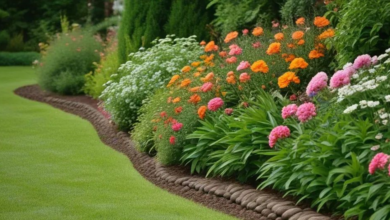
Successful pollinator gardens feature carefully selected native plants that bloom in succession from spring through autumn, ensuring consistent food sources for pollinators throughout their active season. Begin with early-blooming native species like wild columbine and phlox varieties, transition to mid-season bloomers including coneflowers and bee balm, and conclude with autumn stars like asters, blazing star (liatris), and goldenrod. This layered bloom schedule sustains bee populations and butterfly species throughout their lifecycle.
Research your specific region’s native plant list to identify species thriving in your hardiness zone. Regional resources and native plant societies provide zone-specific recommendations ensuring optimal success. Planning your garden layout with bloom timing in mind prevents unintended gaps that leave pollinators without adequate nutrition during critical periods.
Planting for Maximum Impact
Successful pollinator gardens feature clustered plantings of individual native plant species rather than scattered single specimens. Pollinators forage most efficiently when encountering abundant nectar and pollen sources in concentrated patches, reducing energy expenditure during feeding. Plant native wildflowers in groups of at least three to five plants, creating visual impact while optimizing pollinator foraging efficiency.
Integrate multiple plant layers, including native trees, native shrubs, native perennials, native annuals, and native grasses, to establish a diverse habitat. This layered planting structure provides shelter, nesting materials, and extended food sources while creating visually interesting garden compositions.
Environmental Considerations for Thriving Pollinators
Most pollinator plants require at least six hours of direct sunlight daily for optimal flowering and nectar production. Select garden locations offering full sun exposure, though some native species tolerate partial shade if necessary. Provide consistent moisture during establishment while reducing supplemental watering once native plants develop extensive root systems.
Critical habitat elements include bare ground patches where over 75% of native bee species construct underground nests, shallow water sources allowing bee species and butterfly species to drink safely, and accumulated dead wood or brush piles offering shelter and nesting habitat for beneficial insects. Avoid heavy mulching that prevents ground-nesting bees from accessing soil, and resist the temptation to “tidy up” excessively, as accumulated plant material provides essential pollinator shelter and overwinter habitat.
Chemical-Free Gardening Practices
Pesticides and herbicides devastate pollinator populations through direct toxicity and elimination of larval host plants. Establish your pollinator garden using exclusively organic gardening methods, integrated pest management practices, and chemical-free interventions. Accept minor pest damage as a natural ecosystem component—predatory insects like ladybugs, parasitoid wasps, and beneficial beetles provide effective pest control while thriving in chemical-free environments.
Host Plants for Butterfly and Moth Caterpillars

Supporting Complete Life Cycles
Creating genuine pollinator habitat extends beyond providing adult nectar sources; successful butterfly gardens and bee gardens include specific host plants where butterfly and moth caterpillars develop. Monarch caterpillars feed exclusively on milkweed species, while swallowtail butterflies require host plants from the carrot family, including parsnips and wild carrot. Painted lady butterflies utilize thistle species, and mourning cloak butterflies depend on willow and elm trees.
Researching specific butterfly species native to your region allows targeted host plant selection supporting particular species’ complete life cycles. Including these larval host plants in your garden design demonstrates a genuine commitment to butterfly conservation beyond simply attracting adult butterflies for observation.
Creating Shelter and Nesting Habitat
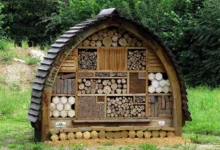
Beneficial insects require shelter from predators, harsh weather, and extreme temperature fluctuations. Establish dense shrub plantings, maintain accumulated brush piles, and preserve dead wood features where possible. These shelter structures provide critical nesting habitat for ground-nesting bees, overwintering sites for chrysalis and cocoons, and microhabitats supporting beneficial insects throughout their life stages.
Avoid excessive garden “neatness” that destroys critical habitat. Dense plantings, fallen leaves, and dead wood represent features rather than problems in pollinator gardens.
Regional Recommendations for Native Plants
Adapting to Your Local Ecosystem
Optimal pollinator garden success depends on selecting native plant species genuinely native to your specific geographic region. Native plants have evolved alongside local bee species and butterfly species, creating precise ecological relationships that support maximum pollinator visitation and satisfaction. Regional native plant lists and native plant databases from universities and botanical institutions provide authoritative species recommendations.
Northern regions might emphasize native asters, blazing star, coneflowers, and milkweed species thriving in colder conditions. Southern regions feature different native wildflower species, including blanketflower and region-specific milkweed varieties. Coastal regions demand salt-tolerant native species, while prairie regions benefit from specific grassland natives. Research your local native plant society for detailed regional recommendations, ensuring perfect species selection.
Maintaining Your Pollinator Garden Through Seasons
Spring Establishment and Monitoring
Begin with well-amended soil incorporating organic matter to support robust native plant growth. Install native plants in spring after frost danger passes, allowing establishment during favorable growing conditions. Monitor emerging native plants for adequate moisture during their critical establishment period, reducing supplemental watering as root development advances.
Summer Observation and Minimal Intervention
Observe pollinator activity during peak summer months, noting which native plants attract diverse bee species and butterfly species. Document bloom timing and pollinator preferences for future seasons. Resist heavy-handed intervention; let native plants thrive relatively unmanaged while removing only obvious problem plants or excessive growth.
Fall Preparation and Overwintering Support
As autumn approaches, resist the urge to remove abundant dried material. Overwintering pollinators depend on accumulated plant debris, dead wood, and hollow plant stems for shelter. Leave dried seed heads remaining through autumn, providing supplemental nutrition for finches and beneficial insects while maintaining nesting sites for spring emergence.
Common Mistakes to Avoid
Selecting Hybrid and Double-Flowering Varieties
Hybrid and double-flowering ornamental varieties lack adequate nectar and pollen, frustrating pollinators despite their attractive appearance. These cultivars often feature modified flower structures preventing bee and butterfly access to reproductive organs, rendering them essentially useless as food sources. Prioritize single-flowering native varieties offering genuine nutritional value regardless of visual perfection.
Excessive Pesticide and Herbicide Application
Chemical interventions devastate pollinator populations through direct toxicity and habitat destruction. Organic gardening approaches support thriving native pollinator populations while eliminating toxic residues threatening beneficial insects. Accept minor aesthetic imperfections as worthwhile tradeoffs supporting bee and butterfly welfare.
Monoculture Plantings Lacking Diversity
Single-species plantings fail to provide diverse food sources and nesting habitats essential for bee populations and butterfly species thriving. Prioritize botanical diversity through multiple native plant species blooming across extended seasons, creating resilient ecosystems supporting varied pollinators.
More Read: Best Plants for Butterflies and Pollinators
Conclusion
Establishing a native plant garden for attracting pollinators represents one of the most impactful environmental actions homeowners can undertake. By deliberately selecting native plants for pollinators—including milkweed, coneflowers, black-eyed Susans, bee balm, goldenrod, and yarrow—you create a thriving habitat supporting bees, butterflies, and beneficial insects essential for ecosystem function and food production. Native plants for bees and butterflies require minimal maintenance, cost less than exotic alternatives, and deliver superior ecological benefits while beautifying your landscape. Whether designing an expansive pollinator meadow or cultivating a modest container pollinator garden, these native flowering plants transform ordinary spaces into vibrant wildlife havens.
The combination of carefully timed native blooms, host plants supporting complete insect lifecycles, and protective habitat infrastructure creates comprehensive pollinator ecosystems where bees and butterflies flourish. Start your native plant journey today by researching native species specific to your region, consulting your local native plant society, and implementing these strategies. Your pollinator garden will rapidly become a dynamic, evolving ecosystem attracting diverse wildlife while contributing meaningfully to pollinator conservation in your community.