Growing Basil How to Get Bushy Plants and Prevent Flowering
Learn how to grow bushy basil plants and prevent flowering with proven pinching techniques. Maximize your herb harvest all season long.
Growing bushy basil plants is one of the most rewarding experiences for home gardeners and culinary enthusiasts alike. If you’ve ever purchased a basil plant only to watch it grow tall, spindly, and eventually flower, you’re not alone. Many gardeners struggle with maintaining productive basil plants that continue supplying fresh, flavorful leaves throughout the growing season. The key to success lies in a simple yet powerful technique: pinching basil regularly.
When you pinch basil at the right time and in the correct manner, you unlock the plant’s full potential, transforming a leggy, single-stemmed specimen into a lush, multi-branched powerhouse. This article reveals the science and practical methods behind how to grow bushy basil, exploring the hormonal mechanisms that drive branching, the precise timing for pinching basil plants, and comprehensive strategies to prevent basil flowering.
Whether you’re a seasoned gardener looking to maximize your herb harvest or a beginner seeking foolproof techniques, these fundamental principles will revolutionize your basil-growing experience. By implementing basil pruning techniques, managing environmental factors, and selecting slow-to-bolt varieties, you can extend your harvest window and enjoy an abundance of tender, aromatic leaves. The difference between a mediocre basil patch and an exceptional one often comes down to consistent basil maintenance practices that keep the plant in its vegetative growth phase for as long as possible.
Basil Growth Stages and Why Pinching Matters
Basil growth progresses through distinct stages, each with specific implications for your harvest. When seeds germinate, they produce cotyledons (seed leaves) followed by true leaves. Initially, basil plants grow a single central stem with pairs of opposite leaves arranged along this main axis. During this early stage, energy focuses on root establishment and vertical growth rather than lateral branching.
As the plant matures, it naturally enters a flowering stage, signaling its readiness for reproduction. However, from a culinary perspective, this transition represents a critical juncture. Once basil starts to flower, the plant redirects its nutritional resources away from basil leaf production toward seed development. This metabolic shift has immediate consequences: remaining leaves become smaller, tougher, and noticeably more bitter in flavor. The pleasant, subtle taste that makes it so desirable in Italian, Thai, and Mediterranean cuisines deteriorates rapidly.
Pinching basil intervenes in this natural progression by removing the terminal growing tip before flowering occurs. This action interrupts apical dominance—a hormonal hierarchy where the top bud suppresses lateral bud development through auxin production. By eliminating this apical bud, you collapse the auxin gradient, allowing cytokinin (a growth-promoting hormone) to dominate. Cytokinin stimulates cell division in dormant lateral buds located at leaf nodes, causing them to activate simultaneously. The result is exponential growth: where one stem existed, two now emerge. These new stems can subsequently be pinched, doubling the effect again, creating increasingly dense foliage.
The Science Behind Pinching Cytokinin and Branching
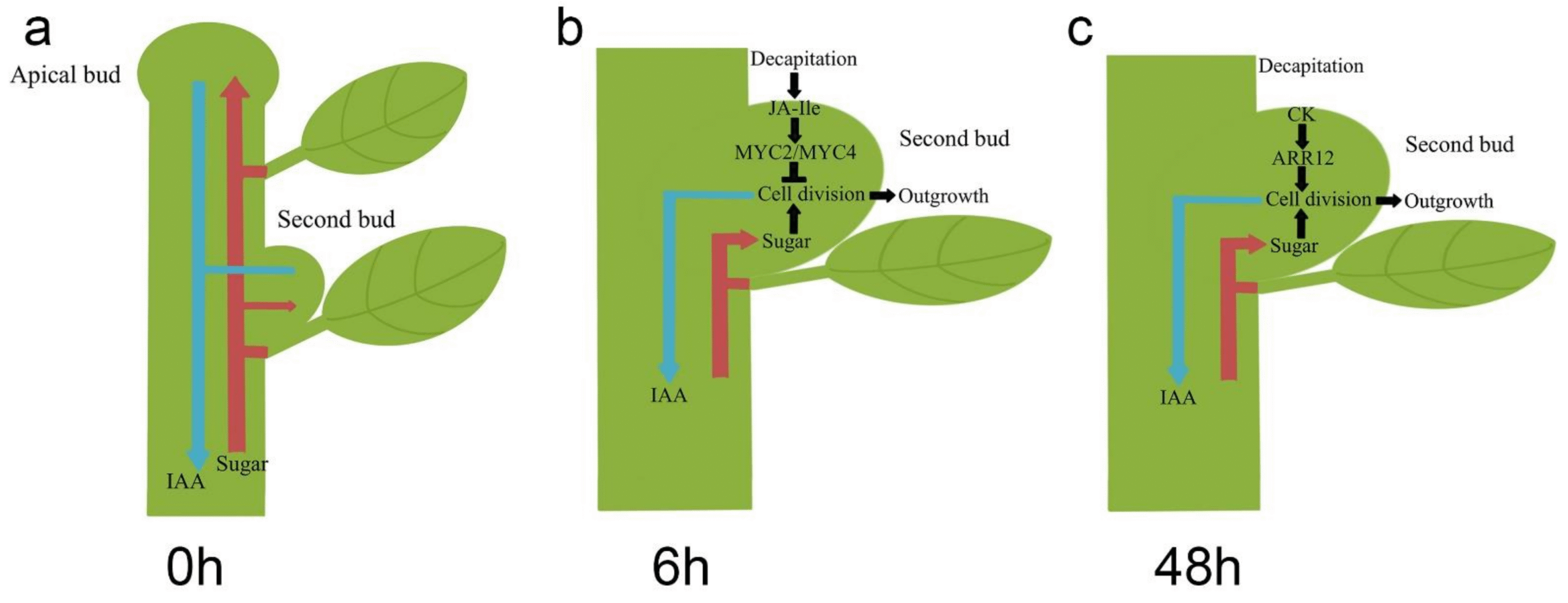
The magic behind basil pinching lies in plant hormone dynamics. When you pinch the growing tip, you’re not merely removing leaves—you’re triggering a cascade of biochemical changes that rewire the plant’s growth strategy. Cytokinin, produced primarily in root tissues and transported upward through the xylem, normally remains suppressed at the shoot apex by auxin. The two hormones exist in a delicate balance; auxin abundance maintains apical dominance, while cytokinin promotes branching and lateral bud activation.
Removing the basil tip immediately shifts this hormonal balance. Without the auxin-producing terminal bud, cytokinin can freely activate previously dormant lateral buds. These buds, positioned at leaf nodes (the points where pairs of leaves meet the stem), begin rapidly dividing and elongating. Within days to a week, new shoots emerge from these nodes, each eventually developing into a full branch.
This physiological response explains why pinching basil seems paradoxical to beginners: removing plant material produces more plant material. The mechanism also clarifies why improper pinching techniques fail. If you remove all the foliage, leaving no active nodes, the plant cannot initiate this branching response. Similarly, if you harvest only individual leaves without cutting stems back, you don’t trigger the hormonal shift necessary for branching. The technique’s effectiveness depends on cutting precisely above a pair of leaves or leaf nodes, leaving active growth points that can respond to the hormonal signal.


When to Start Pinching: Timing for Maximum Results
Pinching basil seedlings should begin once plants reach approximately six to eight inches in height and have developed three to four sets of true leaves. This represents an ideal window: the plant is established enough to withstand pruning shock, yet young enough to maximize the branching response. Many gardeners delay pinching, fearing they’ll damage young plants, but this hesitation costs them weeks of production.
The initial pinch is particularly important because it establishes the plant’s growth architecture. When you pinch back the central stem by approximately one-third, removing the top quarter-inch above a pair of leaves, you force that leaf pair to activate and branch. This single action effectively doubles your plant’s productive capacity, transforming a single-stemmed seedling into a two-stemmed plant within weeks.
After this first pinching, continue the process every two to three weeks throughout the growing season. Each time a branch develops six to eight leaves, it’s time to pinch again. This consistent schedule prevents the plant from ever accumulating enough developmental momentum to commit to flowering. Rather than allowing the plant to decide its trajectory, regular pinching keeps reasserting vegetative dominance.
Timing within the daily cycle also matters. Avoid pinching during midday heat when tissues are prone to wilting stress. Instead, work in early morning hours when plants are fully hydrated and recovery potential is highest. This seemingly minor adjustment in timing can meaningfully improve plant resilience and recovery rates.
The Pinching Technique: How to Pinch Basil Correctly
Executing the pinch technique properly ensures clean cuts that promote rather than impede growth. Begin by identifying the growing tip—the uppermost set of leaves with tiny new leaves forming at the center. Look carefully at the stem’s structure to locate the leaf axil, the junction where leaves connect to the main stem. You should observe tiny leaf buds already forming in this region; these buds represent your plant’s capacity for future branching.
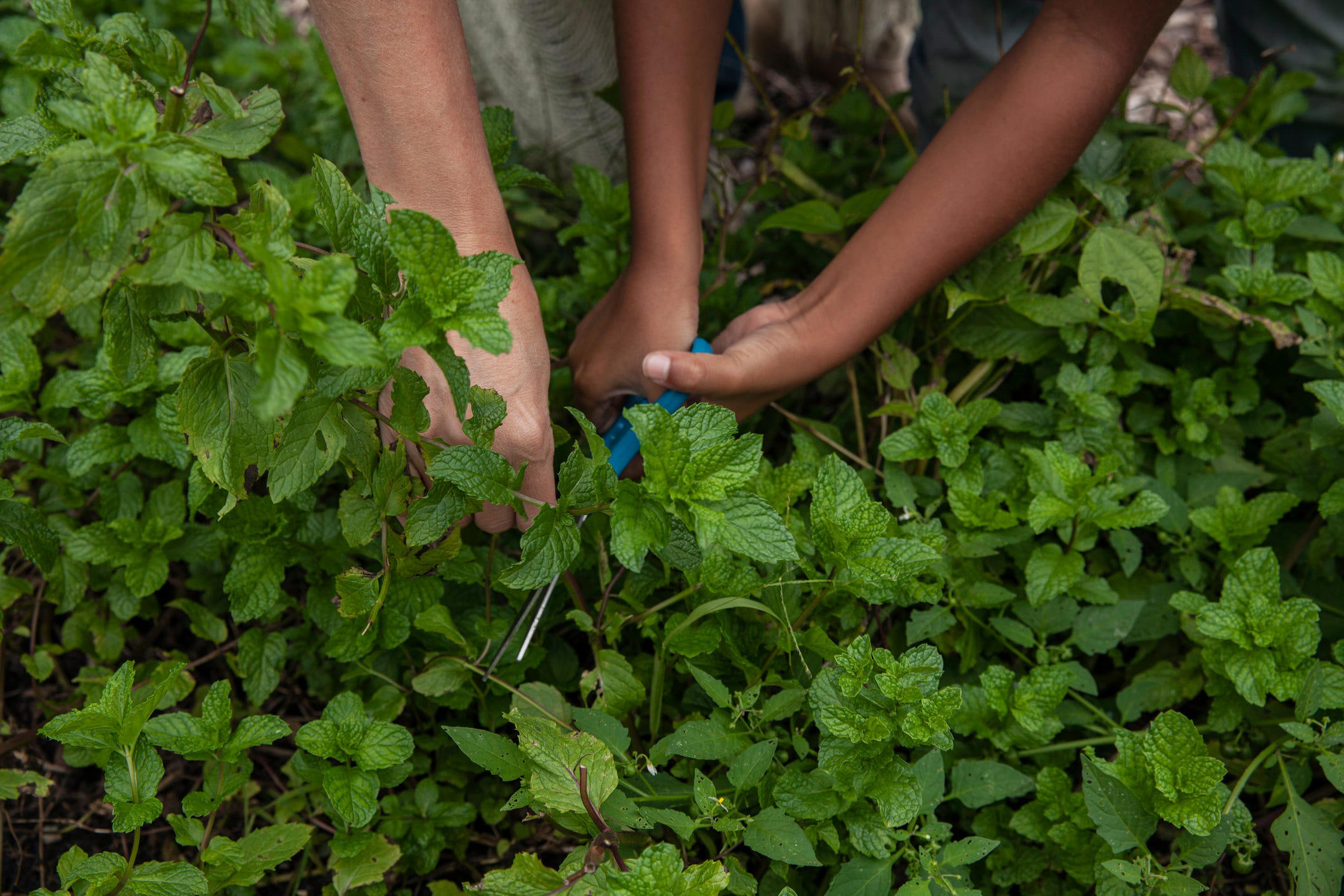
Cutting basil above leaf nodes is essential. Position your cut approximately one-quarter inch above where a pair of leaves meets the stem. This precise placement protects the leaf nodes while removing the apical meristem (the growing tip). You can accomplish this with your fingers using a pincer motion, regular scissors, herb snips, or pruning shears, depending on stem thickness. For young, tender growth, finger-pinching suffices. For thicker, woodier stems, sharp pruners ensure clean cuts that don’t crush tissue.
Avoid cutting below the lowest pair of leaves, as this removes all active nodes and stalls recovery. Similarly, never pinch more than one-third of the plant’s total volume in a single session. The plant requires sufficient leaf area to fuel regrowth through photosynthesis. Small, frequent pinches outperform dramatic, infrequent trims in promoting continuous production.
When harvesting basil, you’re simultaneously implementing basil pruning for plant management. Cut entire stems rather than picking individual leaves. Individual leaf removal doesn’t trigger the hormonal branching response, making it an inefficient harvest method from a plant vigor perspective. As you harvest, use the clippings immediately in your cooking, or dry and preserve them for later use.
Removing Flower Buds: Preventing Premature Flowering
Despite your best pinching efforts, basil plants eventually attempt to flower, particularly as days lengthen and temperatures rise in mid-to-late summer. Successful cultivation requires vigilant basil flower removal. Scan your plants weekly for emerging flower buds—they appear as dense clusters of tiny leaves at stem tips, gradually elongating into recognizable flower structures with tiny white or purple blooms.
Preventing basil flowers requires removing these buds as soon as they appear, ideally before blooming. This isn’t merely aesthetic preference; the moment blooms, chemical changes occur that trigger bitter-tasting compounds in remaining leaves. Early bud removal preserves the sweet, aromatic quality gardeners value. After the initial buds appear, continue checking weekly, as the plant produces new flower buds continuously throughout the season.
The good news: removing these buds is simple and productive. Pinch off developing flower clusters using your fingers or snips, removing the entire leafy cluster at the tip by cutting just above the first pair of leaves beneath it. This action redirects the plant’s energy back into leaf production for several weeks. The buds themselves are edible—toss them into salads or use them as garnishes—so your vigilance yields culinary rewards beyond just preventing flowering.
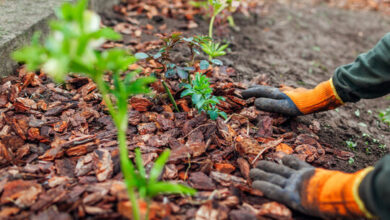
Environmental factors influence basil flowering timing. High temperatures and extended daylight hours accelerate bolting in many varieties. Providing mid-afternoon shade through strategic companion planting with taller plants or deploying shade cloth can delay flowering. Mulching around plant bases keeps roots cooler, another subtle strategy for extending the vegetative growth window.
Optimal Growing Conditions to Support Bushy Growth
Beyond pinching, environmental conditions critically influence whether your plant grows bushy and productive or leggy and sparse. Growing basil successfully requires its specific needs for light, soil, water, and temperature.
- Basil light requirements are uncompromising: this Mediterranean herb demands full sun, ideally six to eight hours of direct sunlight daily. Insufficient light stretches stems as plants reach toward available light sources, creating the spindly, thin growth you’re trying to prevent. If growing indoors, position plants directly in a sunny south-facing window or under grow lights.
- Basil soil must be well-draining, nutrient-rich, and organically amended. Before planting, incorporate compost or aged manure to provide initial nutrition. Prefers slightly acidic to neutral soil with a pH between 6.0 and 7.0. Test your soil before planting; amendment decisions should be based on soil test results rather than guesswork. Once planted, maintain consistent soil moisture—neither waterlogged nor drought-stressed.
- Basil fertilizer requirements emphasize nitrogen, the nutrient driving leafy growth. A balanced fertilizer works adequately, but high-nitrogen formulations like fish emulsion produce superior results. Apply supplemental fertilizer every two to three weeks during the active growing season. Nitrogen promotes vegetative growth while simultaneously inhibiting flowering, making it doubly valuable for cultivation.
- Basil watering should maintain consistently moist (not soggy) soil. Most gardeners underwater, leading to stress that paradoxically triggers early flowering. Daily checking and watering as needed works better than rigid schedules. Container-grown plants require more frequent watering than garden-grown plants because pots lose moisture more quickly than in-ground soil.
Temperature matters considerably is sensitive to cold, suffering damage below 50°F and dying at frost. Growing in containers allows you to move plants indoors before fall frosts, extending the harvest season. Keep nighttime temperatures above 55°F for vigorous growth and blooming prevention.
Spacing and Container Considerations for Bushier Plants
Plant spacing influences whether basil grows bushy or stunted. Overcrowded plants compete for light, nutrients, and water, resulting in stressed plants that flower prematurely. Garden-grown basil should be spaced at least 10 centimeters (four inches) apart. For container-grown basil, space seedlings similarly when planting multiple plants together.
Container basil requires careful pot selection. A pot that’s too small restricts the root system, limiting the plant’s size regardless of excellent surface care. Choose containers at least 20 centimeters (eight inches) wide and deep for single plants, with larger pots accommodating multiple basil seedlings. Depth matters as much as width; opt for pots deeper than wide when possible, as this supports more extensive root development.
Fill containers with peat-free, multi-purpose compost. Ensure pots have drainage holes to prevent waterlogging and root rot. Consider placing saucers beneath pots to catch excess water, allowing the plant to absorb water as needed through the drainage holes, creating consistent moisture without waterlogging.
Best Basil Varieties for Delayed Flowering
Not all basil varieties have identical flowering timelines. Some bolt within weeks, while others remain in the vegetative growth phase for months. Selecting slow-to-bolt varieties extends your productive harvest window considerably.
Everleaf basil is renowned for remaining vegetative up to eight weeks longer than standard sweet basil. Emerald Towers similarly demonstrates exceptional resistance to early bolting. Thai basil varieties like ‘Everleaf Thai Tower,’ ‘Lihi Prospera®,’ and ‘Mia Prospera®’ combine extended harvest windows with distinctive flavors. ‘Lihi Prospera®’ specifically offers compact growth, high yields, and downy mildew resistance—a disease common on basil in humid climates.
Traditional sweet basil varieties (Genovese cultivars) bolt relatively quickly, especially in hot climates. If your area experiences intense summer heat, prioritize slow-to-bolt varieties. Conversely, in cooler zones with shorter growing seasons, even quick-bolting varieties may produce adequately before fall frosts arrive.
Experimentation with various basil varieties tailored to your climate, space, and culinary preferences adds an enjoyable dimension to basil cultivation. Visit local nurseries to inquire about varieties performing well in your region; local knowledge often surpasses general recommendations.
Harvesting for Maximum Production and Flavor
Harvesting basil for cooking simultaneously supports plant vigor and productivity when done correctly. The golden rule: harvest often and abundantly. Regular harvesting simulates the pinching process, triggering branching responses and delaying flowering. Many gardeners feel hesitant about aggressive harvesting, fearing they’ll damage plants, but basil thrives under frequent, consistent harvesting.
When harvesting, cut entire stems at their base rather than plucking individual leaves. Cut stems just above a leaf node, leaving at least two to three inches of foliage on the plant. From this cut point, two new stems will emerge within days, creating denser growth. Within weeks, your harvest volume expands exponentially.
Use fresh-harvested basil immediately for optimal flavor. If you can’t use everything immediately, preserve the abundance through drying or freezing. Basil dries well: hang small bundles in a bright, well-ventilated space for several days until leaves crisp. Store dried basil in airtight containers away from direct light. Freezing basil preserves its bright color and flavor better than drying for some applications; purée fresh leaves with a small amount of olive oil and freeze in ice cube trays for convenient portions.
Making basil pesto is an excellent way to preserve large harvests. Blend fresh leaves with garlic, pine nuts, Parmesan cheese, and olive oil, then freeze in small containers. A single productive plant can yield enough pesto for multiple servings throughout winter, making the effort worthwhile.
Common Mistakes That Prevent Bushy Growth
What not to do proves as valuable as knowing the correct techniques. Several common mistakes undermine bushy basil cultivation.
- Mistake #1: Harvesting only leaves. Plucking individual leaves fails to trigger the branching response. Continue this practice, and your basil remains leggy with minimal lateral growth. Always cut stems back to leaf nodes instead.
- Mistake #2: Pinching too late. Once flower buds form, the plant’s energy shifts toward reproduction, making subsequent branching difficult even if you remove the buds. Begin pinching while plants are young to prevent reaching this point.
- Mistake #3: Inconsistent pinching. One pinching in early season, then abandonment, produces mediocre results. Consistent pinching every two to three weeks maintains vegetative dominance and prevents bolting.
- Mistake #4: Pinching too aggressively. Removing more than one-third of the plant at once stresses it, potentially triggering early flowering as a stress response. Small, frequent pinches work better than dramatic, infrequent pruning.
- Mistake #5: Inadequate light. Dark locations produce spindly, weak growth regardless of excellent pinching technique. Basil absolutely requires six to eight hours of direct sun.
- Mistake #6: Poor drainage in the soil. Waterlogged soil promotes root rot and fungal diseases, weakening plants and potentially causing death. Always use well-draining soil and allow the surface to dry slightly between waterings.
- Mistake #7: Overcrowding plants. Dense planting creates competition and stress, encouraging early flowering. Space plants appropriately for your growing system.
Troubleshooting Flowering Basil: Recovery Strategies
If your basil plant’s flowering has already begun despite preventive efforts, recovery remains possible. The plant hasn’t necessarily reached end-of-life; you can revitalize it through aggressive pruning.
Prune the flowering plant hard, removing approximately one-third of its total volume in a single session. Cut stems back to just above the lowest viable leaf nodes, potentially down to three to four inches in height. This dramatic pruning seems severe, but basil recovers quickly. Within a week, new growth emerges from the cut points. The new foliage will retain the tender texture and sweet flavor you desire, even if older portions of the plant have gone bitter from previous flowering.
Following this recovery pruning, implement rigorous flower bud removal to prevent another flowering cycle. Continue your regular two-to-three week pinching schedule. While this recovery process means losing current harvest opportunities, the resulting new growth provides weeks of continued production before fall frosts arrive.
Seasonal Considerations and Year-Round Basil Growing
Basil is an annual herb in most climates, meaning it completes its life cycle—germination, growth, flowering, seed production, senescence—in a single growing season. As days shorten in the fall and temperatures drop, basil’s growth naturally slows regardless of excellent care. Some gardeners extend basil cultivation through winter by growing it indoors under grow lights, maintaining warm temperatures and consistent moisture.
Indoor-grown basil requires twelve to sixteen hours of artificial light daily to simulate long-growing-season conditions. Position lights four to six inches above the plant canopy and adjust as the plant grows. Maintain daytime temperatures between 70–85°F and nighttime temperatures above 55°F. Indoors, basil still requires excellent drainage and regular pinching to remain bushy and productive.
As fall approaches and first frost dates loom, harvest all remaining basil. Even a light frost will turn leaves black and kill the plant. Rather than lamenting the season’s end, invest harvested bounty into dried basil and pesto for winter cooking, ensuring year-round enjoyment of this beloved herb.
More Read: How to Maximize Your Balcony Garden Space With These 10 Tricks
Conclusion
Growing bushy, productive basil plants transforms from mystery to an achievable goal when you understand and apply the pinching principles outlined in this comprehensive guide. The science is straightforward: regular removal of terminal growing tips triggers hormonal shifts that promote branching through cytokinin activation, converting leggy single-stemmed plants into dense, multi-branched specimens capable of continuous leaf production.
Success requires combining proper technique—cutting precisely above leaf nodes—with consistent timing, typically every two to three weeks beginning when seedlings reach six to eight inches tall. Simultaneously preventing basil flowering through vigilant bud removal and environmental optimization extends your harvest window substantially, allowing a single plant to provide fresh leaves throughout the entire growing season.
Selecting slow-to-bolt varieties, providing optimal growing conditions including full sun and nutrient-rich soil, and avoiding common mistakes like individual leaf harvesting and aggressive over-pinching further support your quest for exceptional basil production. Whether you’re growing basil in garden beds or containers, indoors or outdoors, the fundamental principles remain consistent: pinch regularly, remove flower buds, provide excellent light and nutrition, and harvest often.
Implement these practices consistently, and you’ll transition from frustrated gardeners watching their basil bolt into skilled cultivators harvesting abundant, tender, aromatic leaves from impressively bushy plants that seemingly never stop producing. The reward for your effort extends beyond horticultural satisfaction to your kitchen, where homemade pesto, fresh salads, and aromatic Italian dishes benefit from superior basil quality that commercially-grown or neglected homegrown plants simply cannot match.