Creating a Low-Maintenance Native Plant Garden
Learn how to create a low-maintenance native plant garden with drought-tolerant species. Discover sustainable landscaping tips, best native plants.
Transforming your yard into a thriving low-maintenance native plant garden has never been more appealing for environmentally conscious homeowners. As water scarcity becomes increasingly critical and environmental concerns grow, many gardeners are turning to native plants as the ultimate solution for sustainable outdoor spaces. A native plant garden represents a revolutionary shift from traditional landscaping, offering remarkable benefits without the demanding upkeep that conventional gardens require.
The beauty of creating a low-maintenance garden lies in its simplicity—by selecting native perennials and drought-tolerant plants that naturally thrive in your region, you eliminate the need for constant watering, fertilizing, and pest management. These remarkable plants have adapted to local climate conditions, soil types, and rainfall patterns over centuries, making them perfectly suited for your specific landscape. Beyond aesthetics and ease of care, native landscaping supports local ecosystems by providing critical habitat for pollinators, birds, and beneficial insects.
Modern homeowners increasingly recognize that a sustainable landscape isn’t just an eco-friendly choice—it’s a practical investment that reduces maintenance time, lowers water bills, and increases property value. This comprehensive guide will walk you through every aspect of designing and establishing your own low-maintenance native plant garden, from understanding what makes plants native to implementing expert design strategies that ensure long-term success.
What Are Native Plants?
Native plants are naturally occurring botanical species that evolved in specific geographic regions long before European settlement. These remarkable plants are specifically adapted to regional climates, soil conditions, and natural precipitation patterns. Unlike ornamental imports from distant continents, native species have developed deep root systems and unique physiological characteristics that allow them to withstand local environmental stressors such as drought, flooding, temperature extremes, and pest pressures without human intervention.
Understanding the distinction between true native perennials and cultivated ornamentals is essential for creating an authentic native plant landscape that genuinely supports regional ecosystems. When you establish a native garden, you’re essentially working with your region’s natural growing conditions rather than fighting against them, which dramatically simplifies maintenance requirements.
Benefits of Growing Native Plants in Your Garden
Creating a low-maintenance native plant garden delivers numerous advantages that extend far beyond simple aesthetics. The most obvious benefit is dramatically reduced maintenance—native plants require minimal watering once established, virtually no fertilizer applications, and rarely need chemical pesticides or herbicides. This translates directly into cost savings on water bills, gardening supplies, and labor-intensive upkeep.
Native landscaping also promotes significant environmental benefits by supporting regional biodiversity through providing food and shelter for pollinators, songbirds, butterflies, and countless beneficial insects that keep ecosystems functioning. Additionally, drought-tolerant native plants with deep root systems help manage stormwater runoff, prevent soil erosion, improve water infiltration, and reduce flooding risks. From an aesthetic perspective, a thoughtfully designed sustainable landscape featuring native perennials offers year-round visual interest through varied blooming times, textural contrasts, and seasonal foliage changes that create dynamic natural beauty.
Choosing the Right Native Plants for Your Region
Successful native plant garden design begins with thorough research into which species naturally occur in your specific geographic area and hardiness zone. Each region of North America features distinct native species perfectly adapted to its unique conditions. Visit your local cooperative extension office, native plant societies, or reputable online databases like the Lady Bird Johnson Wildlife Center’s comprehensive plant finder to identify plants native to your exact location.
Climate considerations are paramount—a plant listed as native to the Pacific Northwest may fail dramatically in the Southwest, even if both regions fall within the same state. When selecting your native plants, carefully assess your garden’s existing conditions: sun exposure patterns throughout the day, soil type and drainage characteristics, moisture availability, and topographical features. Group plants with similar water requirements together to create efficient water-wise landscaping zones. Include a diverse mix of native trees, native shrubs, native wildflowers, native grasses, and native groundcovers to maximize ecological value and create visual interest across multiple seasons.
Understanding Native Shrubs and Trees
Native trees and native shrubs form the structural backbone of any successful low-maintenance native plant garden, providing year-round architecture, seasonal interest, and exceptional habitat value for regional wildlife. These woody plants require virtually no maintenance once established and typically host enormous populations of insects that songbirds depend upon for feeding their young, making them ecological superstars. Native shrubs fill garden spaces efficiently while minimizing care requirements, and their presence helps prevent confusion between weeds and desirable plants during garden maintenance.
Trees such as dogwoods, oaks, and various native fruit-bearing species provide multi-layered benefits, including shade, beauty, food sources, and wildlife corridors. When planting native trees, consider grouping three or more trees approximately 15 feet apart and underplanting them with compatible native shrubs and groundcovers. This layered approach, combined with allowing leaf litter to remain on the soil surface as natural mulch, creates an essentially maintenance-free system that supports thriving ecosystems.
Incorporating Native Grasses and Perennials
Native grasses and native perennials bring irreplaceable textural qualities, architectural interest, and ecological benefits to your sustainable landscape design. These hardy plants contribute diverse forms—from tall, dramatic switchgrass specimens to delicate little bluestem varieties displaying stunning seasonal color transitions from blue-green to reddish-orange hues. Ornamental grasses provide visual movement, improve soil structure through their extensive root systems, and offer overwintering habitat for beneficial insects.
Pair native grasses with native wildflowers such as bee balm, coneflowers, black-eyed Susans, and goldenrod to create stunning seasonal displays while maximizing pollinator attraction. Native perennials like garden phlox, asters, and various sedums return reliably year after year, requiring minimal intervention once established. These plants naturally suppress weeds through competitive growth while building soil fertility through their deep root penetration and organic matter accumulation.
Designing Your Native Plant Landscape
Effective native plant garden design combines ecological principles with aesthetic considerations to create spaces that are simultaneously beautiful and sustainable. Begin by assessing your site’s existing conditions—observe sun patterns throughout the day, identify shade areas created by buildings and mature trees, note soil drainage patterns, and understand natural water movement across your landscape. Sketch out your garden layout, dividing the space into planting zones based on similar water and light requirements.
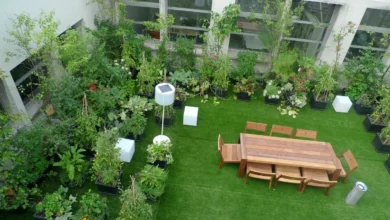
Incorporate hardscape elements such as pathways, seating areas, and stone borders that define spaces and reduce maintenance needs. Consider layering your plantings vertically—tall trees provide an upper canopy layer, understory shrubs fill the middle height range, native perennials and grasses occupy mid-height positions, and native groundcovers and sedges create ground-level interest. This multi-layered approach maximizes ecosystem function while creating sophisticated visual depth and complexity.
Water Conservation Through Xeriscaping
Xeriscaping represents an intelligent landscaping approach that combines native plants, efficient irrigation methods, and smart design to create drought-tolerant gardens requiring minimal supplemental water. While sometimes mistakenly associated with barren, cactus-dominated landscapes, proper drought-resistant landscaping can appear lush, colorful, and dynamically planted. Low-water landscaping begins with selecting appropriate drought-tolerant plants specifically adapted to your climate zone and soil conditions.
Native plants inherently possess superior drought tolerance compared to non-native ornamentals, as their root systems evolved to access water efficiently in local rainfall patterns. Water-wise landscaping techniques include installing efficient drip irrigation or soaker hoses that deliver water directly to plant roots while minimizing evaporation losses compared to traditional sprinklers.
Group plants by water requirements rather than aesthetic preferences, ensuring that water-intensive plants occupy their own zones separate from truly drought-tolerant species. Proper mulching with 2-3 inches of shredded hardwood material conserves soil moisture, moderates soil temperature, suppresses weed germination, and reduces overall water needs while creating a polished landscape appearance.
Establishing and Maintaining Your Native Garden
Native plant garden establishment requires patience and proper technique to ensure long-term success. Initial preparation involves removing invasive species, non-native plants, and competitive perennial weeds that would out-compete your new natives for resources. Most regional native plants thrive in low to moderate soil fertility, so resist the urge to apply heavy fertilizer amendments—excessive nutrients actually favor weed growth and undermine the plants’ evolutionary adaptations. When planting, ensure proper spacing appropriate to mature sizes, avoiding overcrowding that invites disease and pest problems. Apply a 2-3 inch mulch layer, maintaining a 2-inch gap between mulch and plant crowns to prevent rot and allow proper air circulation.
Once established, low-maintenance gardens require minimal intervention. Cut back dead plant material in spring after consistent temperatures exceed 50 degrees Fahrenheit for several days, allowing beneficial insects adequate time to emerge from overwintering locations within plant stems. Hand-pull weeds and invasive species regularly during the first growing season; established native plants will progressively suppress weed emergence through competitive growth. Avoid chemical herbicides and pesticides, as the inherent resilience and biodiversity of native ecosystems provide superior long-term pest and disease management.
Creating Habitat for Pollinators and Wildlife
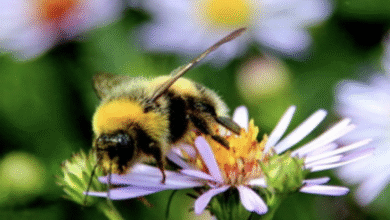
A well-designed native plant garden naturally supports abundant wildlife, including native bees, butterflies, songbirds, and beneficial insects. Native plants developed mutually beneficial relationships with regional pollinators over millennia—they produce flowers, seeds, and nectar specifically adapted to local insect and bird feeding preferences. By cultivating native perennials and native trees, you essentially create living corridors that connect fragmented habitats, helping wildlife populations survive in increasingly urbanized landscapes.
Include flowering species with blooms throughout the growing season, providing consistent pollen and nectar resources from spring through autumn. Native shrubs offer essential food sources through berry production, shelter for nesting and roosting, and protective cover during vulnerable periods. Allow seed heads to persist into winter rather than cutting them back in fall—these provide critical food sources for overwintering birds and maintain habitat for beneficial insects. Dead wood left in the landscape, while appearing rustic, provides essential nesting and shelter sites for numerous species, making it an important component of a thriving wildlife garden.
Common Native Plant Mistakes to Avoid
Successfully establishing a low-maintenance native plant garden requires avoiding several common pitfalls that undermine long-term success. First, selecting plants that appear on general “native plant” lists without verifying they’re actually native to your specific location represents a critical error—plant selection must be based on your precise geographic region, climate zone, and local conditions. Second, over-irrigating newly planted native plants encourages shallow root development and weakens adaptation to regional precipitation patterns—water thoroughly at planting time, then allow plants to establish drought resistance through gradually reduced supplemental watering.
Third, applying excessive fertilizer amendments contradicts native plant ecology and promotes weed competition—resist the urge to feed your natives heavily. Fourth, planting natives in inappropriate conditions—shade-tolerant species in full-sun locations, or drought-tolerant plants in perpetually moist soil—guarantees poor performance regardless of care quality. Finally, neglecting to remove invasive species aggressively in early establishment phases allows non-natives to dominate and overshadow desirable natives.
Seasonal Maintenance and Care
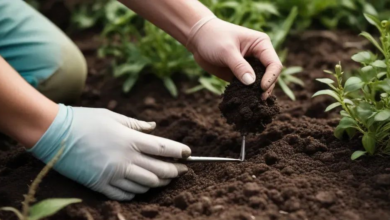
Native plant gardens require substantially different seasonal care compared to traditional landscapes. In spring, after soil temperatures warm consistently above 50 degrees Fahrenheit, cut back the previous year’s dead growth approximately 4 inches above ground level, where new shoots will emerge—this removes dead material while preserving emerging plants from cold-hardy insects utilizing dead stems. Carefully pull weeds by hand using simple trowels, avoiding herbicide applications that would damage desirable natives and beneficial organisms.
Early spring also offers ideal timing for strategic pruning of native shrubs, removing dead branches and branches lacking visible budding or growth. Throughout the growing season, monitor moisture requirements of younger plantings during establishment phases, but assume rainfall will suffice for established native plants.
In fall, resist the urge to clean up extensively—persistent dead plant material, dropped leaves, and seed heads provide critical overwintering habitat for beneficial insects, birds, and native plant seeds requiring cold stratification periods. Never apply chemical pesticides or herbicides to your native landscape, as the established ecological community will maintain natural pest and disease suppression through predatory insect populations and other biological controls.
Addressing Specific Regional Considerations
Creating a successful native plant garden requires understanding your specific regional growing conditions and selecting native species accordingly. Gardeners in the Pacific Northwest should prioritize shade-tolerant native perennials and ferns suited to moist conditions, while Southwestern gardeners focus on drought-tolerant cactus, agave, and desert-adapted species. Midwest gardeners can take advantage of spectacular native wildflowers, prairie species, and resilient native grasses.
Southeastern gardeners work with shade-loving species suited to humid conditions and potential hurricane impacts. Regardless of region, local native plant societies, cooperative extension services, and regional botanical institutions provide invaluable resources for identifying which native plants will thrive specifically in your area. Connect with experienced local gardeners who successfully grow native plants in your immediate vicinity—their practical knowledge proves invaluable for understanding microclimatic variations and species performance in your specific community.
Expanding Your Native Garden Over Time
Creating a comprehensive low-maintenance native plant garden needn’t happen overnight—many successful gardeners build their native landscapes gradually over multiple seasons. Begin with high-impact areas visible from your home, establishing native trees, foundation native shrubs, and key perennials first. As these plants mature and establish strong root systems, progressively expand planting areas into remaining landscape spaces.
Replace portions of lawn with native plantings—this dramatic transformation can happen incrementally through a process of smothering lawn areas with newspaper and mulch in fall, then planting new natives into prepared soil the following spring. Each year’s additions create expanding habitat corridors, increasing wildlife populations, and strengthening the resilience of your native landscape. This gradual approach also distributes planting and establishment costs across multiple growing seasons, making native landscape development financially manageable for most homeowners.
More Read: Best Native Plants for a Sustainable Garden
Conclusion
Creating a low-maintenance native plant garden represents one of the most rewarding investments a homeowner can make in their outdoor space, combining aesthetic beauty, environmental stewardship, and practical cost savings into a single comprehensive landscape solution. By thoughtfully selecting native plants specifically adapted to your geographic region, carefully considering site conditions, and implementing sound sustainable landscaping principles, you’ll establish a thriving garden ecosystem that requires minimal maintenance while maximizing ecological benefits.
Your native plant garden will evolve into a vibrant wildlife habitat supporting pollinators, songbirds, and beneficial insects while reducing water consumption, eliminating pesticide and fertilizer applications, and building long-term property value. Whether you’re establishing a completely new native landscape or progressively converting existing garden areas, the journey toward sustainable gardening begins with understanding local ecological principles and embracing the remarkable plants that naturally thrive in your region. The profound beauty of working with native plants lies in their inherent resilience and reduced maintenance demands—you’re not fighting nature, but rather partnering with it to create landscapes that are as effortless as they are environmentally beneficial.