Best Tropical Houseplants to Create a Jungle Vibe in 2025
Discover the best tropical houseplants for 2025 to create a jungle vibe. Learn care tips, humidity requirements, and an expert selection guide.
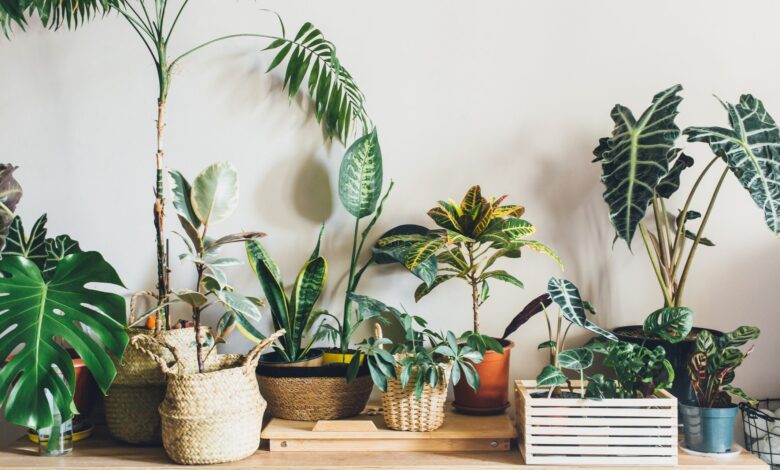
Transform your living space into a lush tropical sanctuary with the perfect tropical houseplants that bring the essence of a rainforest right into your home. If you’re dreaming of creating an indoor jungle without boarding a flight to exotic destinations, 2025 is the ideal time to start your botanical journey. Indoor tropical plants have become increasingly popular among homeowners and interior designers who seek to elevate their décor while enjoying remarkable health benefits. These stunning greenery options aren’t just visually appealing—they actively purify your air, reduce stress levels, and create a naturally inviting atmosphere that transforms ordinary rooms into extraordinary oases.
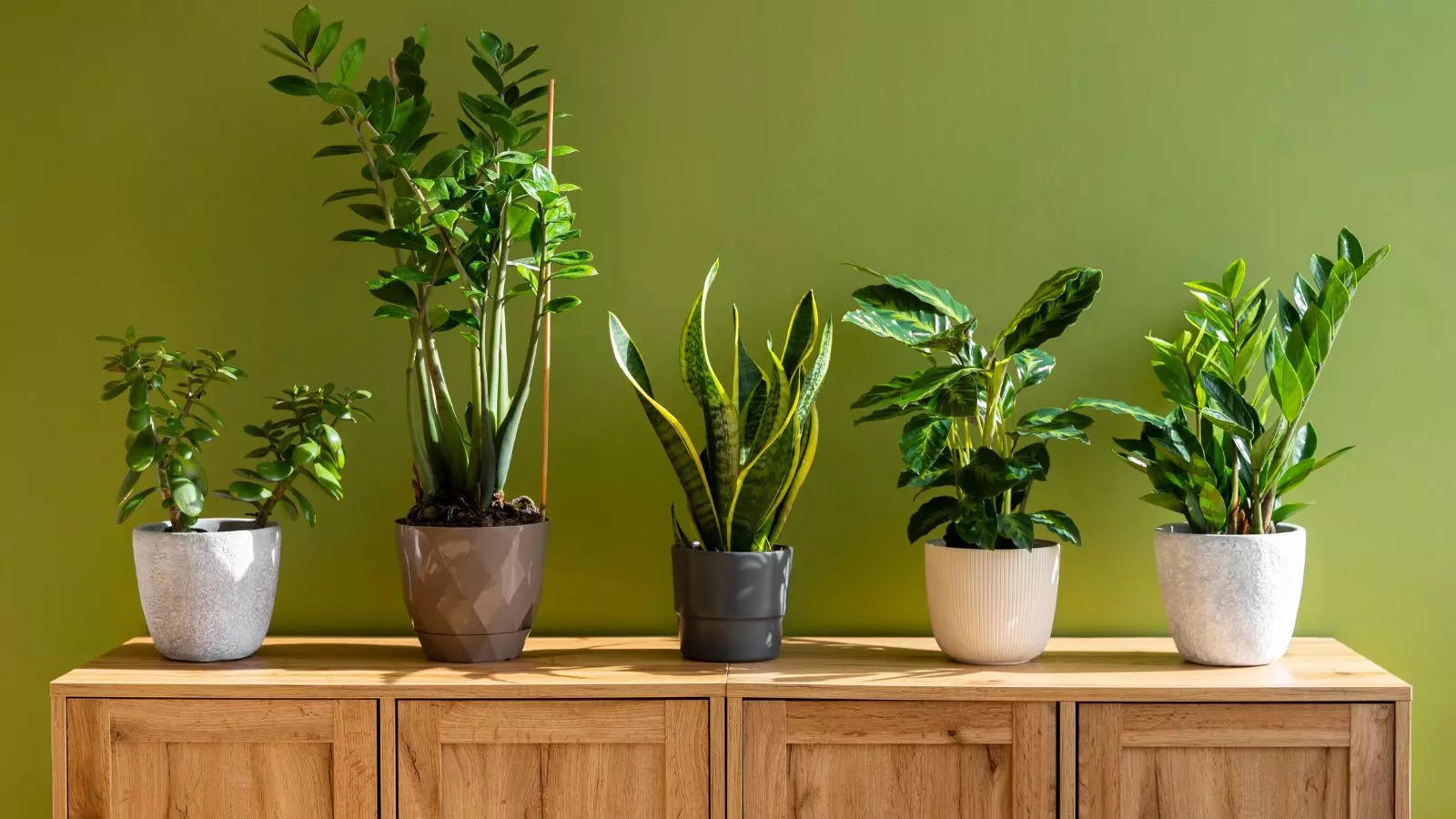
The beauty of cultivating tropical houseplants lies in their versatility and adaptability to various indoor environments. Whether you live in a bustling city apartment or a spacious suburban home, these exotic beauties can thrive in carefully controlled conditions that mimic their native habitats. From the iconic Monstera Deliciosa with its distinctive fenestrated leaves to vibrant flowering specimens that bloom year-round, tropical plants offer endless possibilities for personal expression through interior design. The fundamental care requirements—including light preferences, humidity levels, and watering schedules—empower even novice gardeners to successfully cultivate a thriving indoor jungle that becomes the envy of every visitor.
As we enter 2025, trending tropical indoor plants reflect a growing appreciation for nature-inspired living spaces and sustainable lifestyle choices. Creating your personal jungle isn’t merely about aesthetics; it’s about establishing a connection with nature that enhances your overall well-being. This comprehensive guide explores the best exotic houseplants currently dominating the gardening world, providing you with expert recommendations, detailed care instructions, and creative styling tips to help you build your ultimate tropical paradise indoors.
Tropical Houseplants: What Makes Them Special
Tropical houseplants represent a distinctive category of indoor greenery that originated from warm, humid climates predominantly found in Central America, South America, the South Pacific, and Southeast Asia. These extraordinary plants have evolved unique characteristics that allow them to thrive in rainforest environments, making them particularly well-suited for creating that coveted jungle vibe indoors. What defines tropical plants helps you make informed decisions when selecting specimens for your home.
The defining characteristics of tropical indoor plants include their preference for consistent warmth, high humidity levels, and filtered lighting conditions that mimic their natural forest canopy environment. Unlike temperate houseplants, exotic indoor plants typically feature bold architectural foliage, vibrant colors, and dramatic leaf patterns that instantly command attention. These plants have adapted to grow in competition for limited light and space, resulting in efficient growth patterns and stunning visual displays. Most tropical plant varieties maintain their lush appearance year-round, providing continuous greenery regardless of seasonal changes outside your windows.
When creating an indoor jungle aesthetic, tropical plants offer unparalleled versatility through their diverse forms and characteristics. Trailing climbing houseplants like Pothos and Philodendrons can be trained upward using moss poles, creating vertical gardens that maximize small spaces. Large-leafed specimens such as Monstera varieties serve as dramatic focal points, while compact tabletop tropical plants perfectly accessorize shelves and desks. This diversity ensures that regardless of your available space or design preferences, suitable tropical houseplant options exist to complement your interior vision perfectly.
Best Tropical Houseplants for 2025: Top Selections for Your Home
Monstera Deliciosa: The Iconic Swiss Cheese Plant
Monstera Deliciosa, affectionately known as the Swiss Cheese Plant or Split-Leaf Philodendron, stands as the quintessential tropical houseplant for 2025. This indoor jungle staple earned its playful nickname from its distinctive fenestrated leaves—natural holes that develop as the plant matures, creating an artistic, sculptural appearance. As one of the most recognizable tropical plants, Monstera Deliciosa combines dramatic aesthetic appeal with surprising ease of care, making it ideal for both seasoned plant enthusiasts and enthusiastic beginners.
This exceptional tropical indoor plant thrives in indirect bright light, preferring filtered sunlight rather than harsh direct rays that can scorch its magnificent foliage. Watering requirements are refreshingly straightforward; simply water when the top inch of soil feels dry to the touch, allowing the roots to dry slightly between waterings. The Monstera plant demonstrates remarkable resilience and a forgiving nature, tolerating occasional neglect while remaining lush and vibrant. For optimal growth, provide a moss pole or climbing support structure to encourage upward development, mimicking how this climbing plant naturally grows in rainforest environments by clinging to tree trunks.
Humidity proves important but not critically demanding for Monstera Deliciosa success. While these tropical houseplants appreciate regular misting and humid bathroom environments, they adapt well to standard household humidity levels around 50%. Their large, gorgeous leaves benefit from occasional gentle dusting to maintain their natural shine and encourage optimal photosynthesis. With proper care, this popular indoor plant can reach impressive heights, transforming any living space into an authentic jungle-inspired interior that serves as a stunning conversation piece and living artwork.

Fiddle Leaf Fig: The Architectural Statement
The Fiddle Leaf Fig (Ficus Lyrata) represents another essential tropical houseplant selection for 2025, offering architectural beauty and impressive vertical presence that commands attention in any interior space. This striking exotic houseplant features enormous, glossy, violin-shaped leaves that lend sophisticated elegance to contemporary and traditional décor styles alike. The Fiddle Leaf Fig earns its status as a cornerstone tropical indoor plant through its ability to grow remarkably tall—reaching 50 feet in optimal conditions—while remaining remarkably accessible for average home gardeners.
Successfully cultivating Fiddle Leaf Fig trees requires bright, filtered sunlight positioning, ideally near east or west-facing windows where soft morning or afternoon rays gently illuminate the foliage. These indoor tropical plants prefer consistent moisture levels; water thoroughly when the top two inches of soil become dry, ensuring excellent drainage to prevent root rot complications. The Fiddle Leaf Fig responds beautifully to regular misting, which increases humidity and keeps those spectacular, large leaves clean and photosynthetically active. Temperature stability matters considerably for this tropical plant variety—maintaining consistent warmth between 65-75°F ensures healthy, uninterrupted growth.
Professional styling advice suggests positioning your Fiddle Leaf Fig as a dramatic focal point in spacious living rooms, offices, or entryways where its impressive height becomes an architectural feature rather than a visual competitor. These modern tropical houseplants complement minimalist décor beautifully, their graphic leaves creating striking visual interest against neutral wall colors and clean-lined furniture. With dedication to proper tropical plant care, your Fiddle Leaf Fig evolves into a magnificent living centerpiece that defines your jungle-themed interior for decades.
Pink Princess Philodendron: The Trending Statement Plant
The Pink Princess Philodendron has emerged as the must-have tropical houseplant of 2025, captivating plant lovers with its mesmerizing variegated foliage featuring bold pink variegation splashed across deep green leaves. This relatively compact tropical indoor plant combines striking visual appeal with beginner-friendly care requirements, making it perfect for anyone seeking to add colorful sophistication to their indoor jungle without intimidating complexity. The Pink Princess plant has legitimately become a cultural phenomenon among plant enthusiasts, dominating social media and inspiring countless interior design transformations.
Cultivating thriving Pink Princess Philodendrons requires bright, indirect light exposure—the more consistent light these tropical plants receive, the more vibrant their pink variegation becomes. Position this popular indoor plant near bright windows with filtered sunlight, avoiding direct rays that risk burning the delicate foliage. Watering should occur when the top inch of soil feels dry, maintaining moderate moisture without waterlogging. These climbing tropical plants appreciate support structures like moss poles or trellises, allowing their trailing vines to climb naturally while creating enhanced vertical interest in your jungle-inspired home.
What truly elevates the Pink Princess to essential tropical plant status in 2025 is its remarkable adaptability to various indoor conditions. Unlike finicky specimens requiring precise environmental parameters, this resilient houseplant tolerates temperature fluctuations and moderate humidity variations gracefully. The stunning foliage develops increasingly pronounced pink coloration as the plant matures, rewarding patient cultivators with progressively more spectacular displays. Whether displayed as a trailing specimen in hanging baskets or trained upward on supportive structures, the Pink Princess Philodendron serves as both an air-purifying botanical asset and a genuinely conversation-starting decorative feature.
Peace Lily: The Elegant Air Purifier
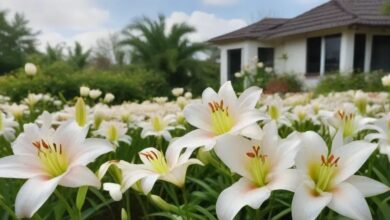
The Peace Lily (Spathiphyllum) represents an exceptional tropical houseplant choice for individuals seeking both aesthetic refinement and practical air-purifying benefits. This elegant tropical indoor plant combines lush green foliage with delicate white spathe flowers that bloom reliably throughout the year, offering the best of both worlds—botanical beauty and functional air-quality improvement. As one of the most low-maintenance indoor tropical plants, Peace Lilies have earned devoted followings among busy professionals and apartment dwellers who appreciate forgiving, resilient greenery that thrives despite occasional neglect.
Peace Lily plants flourish in low to medium light conditions, making them exceptionally valuable for offices, bedrooms, and living spaces lacking abundant natural illumination. Unlike many demanding tropical houseplants, these remarkable specimens actually tolerate and even prefer moderate lighting, adapting beautifully to diverse indoor environments. Watering requirements remain refreshingly simple; maintain consistently moist (though never waterlogged) soil, allowing the plant to indicate thirst through slight drooping—a clever feature that eliminates guesswork from tropical plant care. These elegant indoor plants absolutely thrive in humid bathroom environments, where they benefit from elevated moisture levels while simultaneously purifying the air.
A particularly clever feature of Peace Lily houseplants involves their natural communication with caregivers. When thirsty, these tropical plants dramatically droop, prompting immediate hydration before damage occurs. Following watering, they typically recover within hours, displaying remarkable resilience and vitality. Their preference for warm temperatures (ideally 65-75°F) and high humidity makes Peace Lilies ideal bathroom specimens, where the combination of warmth, moisture, and indirect light creates near-perfect growing conditions. For anyone seeking an air-purifying tropical plant that genuinely purifies surroundings while demanding minimal fuss, the Peace Lily represents an unbeatable choice that transforms ordinary rooms into naturally healthier, more beautiful spaces.
Bird of Paradise: The Stunning Tropical Showstopper
The Bird of Paradise (Strelitzia) commands attention as perhaps the most visually spectacular tropical houseplant available, living up to its evocative common name through extraordinary flowers resembling exotic birds in flight. This dramatic tropical indoor plant features striking banana-like leaves complemented by breathtaking orange and blue crane-like blooms that create unforgettable focal points in any interior space. As a premium exotic houseplant selection, Bird of Paradise specimens elevate décor from ordinary to extraordinary, instantly transforming rooms into botanical galleries worthy of admiration.
Cultivating Bird of Paradise houseplants successfully requires bright, consistent light exposure—preferably near south-facing windows receiving abundant filtered sunlight. These ambitious tropical plants demand substantial illumination to achieve reliable flowering, making proper light placement absolutely critical for success. Watering schedules should maintain consistently moist soil during active growing seasons (spring through summer), transitioning to slightly drier conditions during winter dormancy. Bird of Paradise specimens appreciate warm temperatures between 65-75°F and moderate humidity levels, though they tolerate household conditions reasonably well when provided adequate light.
An important consideration regarding Bird of Paradise houseplants involves their toxicity—these striking plants contain compounds that prove harmful to curious pets and small children, necessitating placement in secure, out-of-reach locations. Despite this safety consideration, the sheer magnificence of their exotic blooms justifies thoughtful positioning within pet-free or high-shelf environments. Patience proves essential when cultivating Bird of Paradise plants, as flowering typically requires several years of mature growth before magnificent blooms appear. For dedicated gardeners willing to invest time and care, however, the reward of cultivating these remarkable tropical specimens far exceeds the effort expended.
Alocasia: The Striking Foliage Star
Alocasia plants have emerged as the darling of 2025’s tropical houseplant trend, captivating designers and enthusiasts with their spectacularly bold, sculptural foliage available in virtually endless color variations and vein patterns. These extraordinary tropical indoor plants represent living artworks, displaying dramatic dark greens, purples, and variegated patterns that transform any space into a gallery-quality jungle-inspired interior. From the compact Mickey Mouse Alocasia with its playful ear-shaped leaves to the regal King Veitchii Anthurium with commanding ribbed foliage, Alocasia varieties offer unprecedented styling flexibility for diverse aesthetic preferences.
Successfully growing Alocasia houseplants begins with their native rainforest habitat requirements. These tropical plants demand bright, filtered light (never direct sunlight) that mimics dappled canopy illumination in their natural environments. Humidity represents another critical factor; Alocasias genuinely thrive with humidity levels between 60-80%, making them exceptional candidates for placement in steamy bathrooms, bright kitchens, or environments equipped with humidification systems. Watering should maintain consistently moist soil without waterlogging, allowing slight drying between hydrations to prevent destructive root rot conditions.
The striking foliage that makes Alocasia plants so visually compelling sometimes reflects susceptibility to environmental stressors. These sensitive tropical specimens may develop brown leaf tips or reduce growth if humidity drops excessively or temperatures fluctuate dramatically. However, providing stable warm conditions (70-80°F preferred), consistent indirect bright light, and regular humidity maintenance rewards dedicated gardeners with phenomenally photogenic exotic houseplants that genuinely impress everyone encountering them. The versatile Alocasia collection ensures suitable specimens exist for various spatial constraints and design aspirations.
Creating the Perfect Growing Environment: Essential Tropical Plant Care
Lighting Requirements for Tropical Houseplants
Providing appropriate tropical houseplant lighting represents perhaps the most critical factor determining success with exotic indoor greenery. Most tropical indoor plants evolved beneath dense rainforest canopies where dappled, filtered sunlight penetrates rather than harsh direct rays. Replicating this natural lighting environment requires positioning plants 3-6 feet from bright windows where indirect light thoroughly illuminates foliage without causing bleaching or scorching.
Bright, indirect light proves ideal for most tropical plant varieties—positioning specimens near east or west-facing windows provides consistent morning or afternoon illumination without intense midday exposure. North-facing windows typically lack sufficient brightness for vigorous tropical houseplant growth unless supplemented with artificial lighting. South-facing windows demand filtering through sheer curtains to prevent light intensity from damaging sensitive foliage. For spaces with limited natural illumination, invest in quality LED grow lights positioned 12-18 inches above plants, providing 12-16 hours of daily supplemental lighting that maintains healthy growth and vibrant coloration.
Humidity Management for Lush Tropical Foliage
Tropical houseplants typically originate from rainforest environments, maintaining 80-100% humidity, radically different from standard American homes, which average 30-50% relative humidity. Creating adequate humidity levels requires implementing multiple strategies that collectively increase the moisture surrounding plant foliage. Daily misting with filtered water maintains surface humidity temporarily, though established humidification approaches prove more effective long-term.
Professional humidity-building techniques include placing tropical plants on pebble trays partially filled with water, creating evaporative moisture as water rises without allowing roots direct contact. Alternatively, grouping multiple plants together naturally increases localized humidity through collective transpiration as each specimen releases moisture through foliage. Investing in dedicated humidifiers provides consistent humidity control, particularly beneficial in dry climates or winter heating seasons when air becomes dangerously desiccated. Bathroom placements naturally offer elevated humidity from showers and bathing, making excellent tropical houseplant locations when adequate light exists.
Watering Best Practices for Thriving Specimens
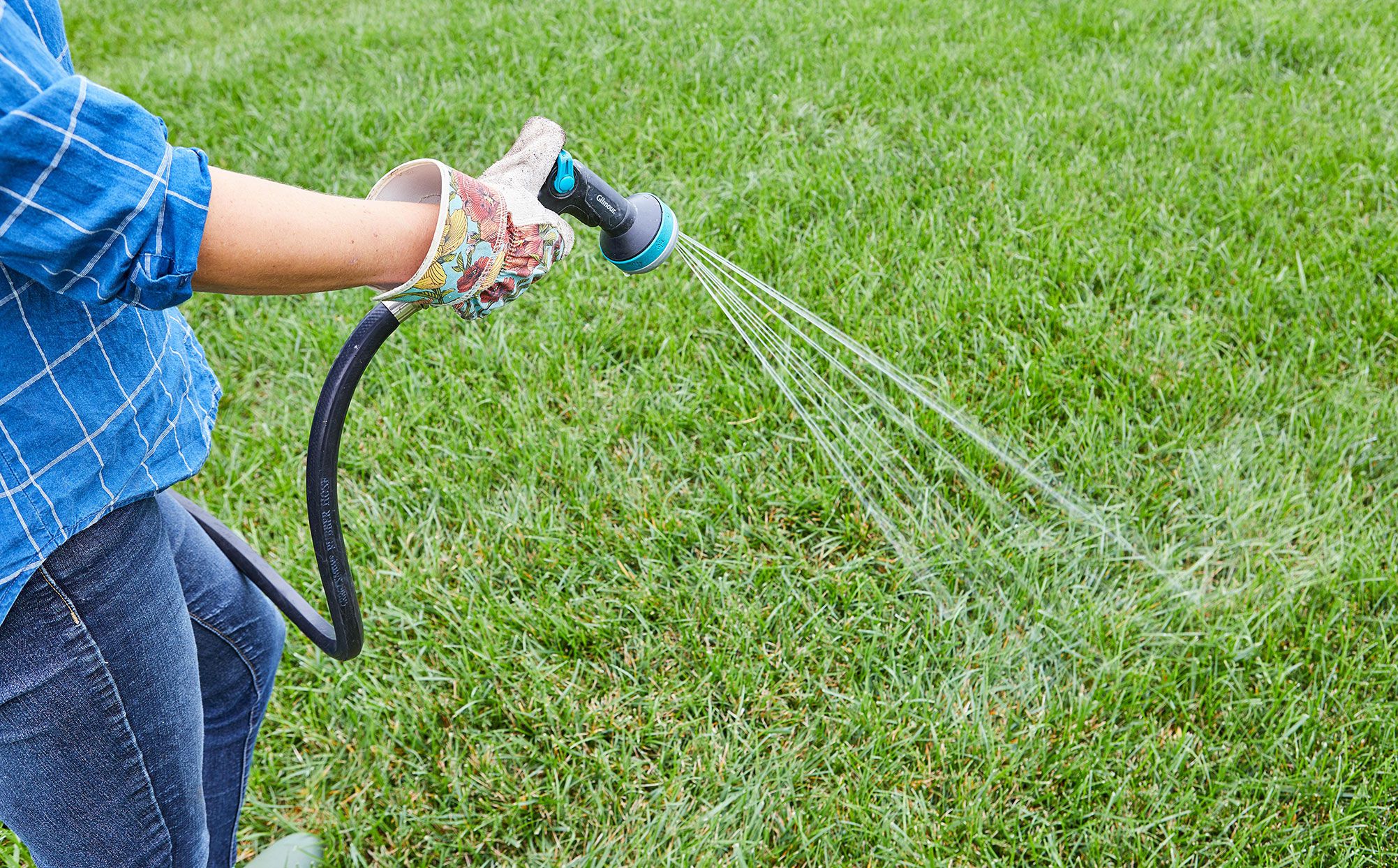
Establishing proper watering schedules prevents both underwatering damage and overwatering complications that plague tropical plant cultivators. Most tropical houseplants prefer consistently moist (not waterlogged) soil that mirrors their native rainforest conditions, where regular precipitation maintains steady moisture levels. Check soil moisture by inserting fingers one to two inches into the medium; water only when this depth feels dry to the touch.
Drainage represents another critical consideration—use containers with multiple drainage holes, and line pot bottoms with small stones or gravel to prevent water accumulation that encourages fungal growth and root rot. High-quality, commercially prepared tropical or indoor plant potting mixes provide excellent aeration and drainage while retaining appropriate moisture levels. During active growing seasons (spring through summer), fertilize every 3-4 weeks using balanced, water-soluble formulations like 20-20-20 recipes, reducing feeding to every 8 weeks during winter dormancy when growth naturally slows.
Styling Your Indoor Jungle: Design Tips and Placement Strategies
Transform your living space into an authentic jungle-inspired interior through thoughtful plant selection, strategic placement, and complementary styling choices that amplify the tropical ambiance. Begin by identifying appropriate locations—consider vertical spaces like corners, along walls, or near tall windows where dramatic specimens like Fiddle Leaf Figs create architectural interest while maximizing limited floor space. Create visual layers by combining tall, upright plants with medium-height specimens and trailing varieties, building depth and dimension that mimics natural forest stratification.
Mix diverse leaf shapes, sizes, and textures to generate compelling visual complexity reminiscent of authentic jungle environments. Pairing large-leafed Monsteras with delicate-frond Ferns or feathery Palms creates sophisticated botanical arrangements displaying plant diversity while maintaining cohesive design aesthetics. Select stylish planters that complement your décor—minimalist ceramic vessels suit contemporary spaces, while woven baskets contribute bohemian warmth to eclectic interiors. Group plants together to amplify their collective visual impact, creating densely planted arrangements that genuinely evoke rainforest density.
Dedicate entire room corners to tropical plant collections, transforming otherwise unused architectural spaces into living focal points. Install floating shelves at varying heights to display compact exotic houseplants, creating dynamic three-dimensional displays that draw eyes upward and maximize vertical space. Incorporate trailing vines like Pothos or String of Pearls along wall-mounted planters, allowing cascading foliage to flow downward and create lush, verdant walls. Consider adding complementary accessories—natural wood elements, woven textiles, or artistic planters—that reinforce tropical aesthetics while maintaining overall interior design coherence.
Common Challenges and Troubleshooting Solutions
Even conscientious gardeners encounter tropical houseplant challenges like brown leaf tips, stunted growth, or unexpected pest infestations. Brown leaf edges typically indicate insufficient humidity or salt accumulation in soil; address through increased misting frequency and occasional soil flushing with distilled water. Yellowing leaves often suggest overwatering or poor drainage conditions; adjust watering practices and verify that pot drainage holes function properly. Stunted growth frequently results from inadequate lighting; relocate specimens closer to windows or install supplemental grow lights to stimulate vigorous development.
Common houseplant pests like spider mites, mealybugs, and scale insects occasionally infest indoor tropical plants, particularly when humidity levels drop excessively. Combat infestations through regular foliage misting with insecticidal soap solutions, removing severely affected leaves, and isolating affected plants to prevent pest spread. Inspect new specimens carefully before introducing them to established collections, quarantining potentially infested plants until pest-free status is confirmed. Maintaining consistent humidity, proper ventilation, and cleanliness actively prevents most pest problems before they develop into serious concerns.
Tropical Houseplants as Air Purifiers: Health and Wellness Benefits
Beyond aesthetic contributions, many tropical houseplants genuinely improve indoor air quality by removing harmful chemical pollutants through natural metabolic processes. The Peace Lily, Snake Plant, and Philodendron varieties specifically excel at filtering formaldehyde, benzene, and other volatile organic compounds from household air. These remarkable air-purifying tropical plants actively enhance wellness by reducing airborne toxins while simultaneously increasing oxygen availability throughout your living space.
The psychological benefits of surrounding yourself with thriving indoor jungle environments extend beyond mere decoration. Research consistently demonstrates that interacting with living plants reduces stress levels, lowers blood pressure, and improves overall mental wellness. Tending to tropical houseplants through regular watering, misting, and care activities provides a meaningful mindfulness practice that calms anxious minds and centers attention on the present moment. Decorating your home with these living botanical treasures creates genuinely therapeutic environments that nurture both physical and emotional well-being while beautifying otherwise ordinary rooms.
More Read: Best Low-Light Houseplants That Actually Survive in Dark Rooms
Conclusion
Creating your personal jungle vibe through carefully selected tropical houseplants transforms ordinary living spaces into extraordinary botanical sanctuaries that celebrate nature’s beauty while enhancing daily life. Whether you’re drawn to the iconic Monstera Deliciosa with its distinctive fenestrated leaves, captivated by the architectural drama of Fiddle Leaf Figs, enchanted by the trending Pink Princess Philodendron, or charmed by the elegant simplicity of Peace Lilies, 2025 offers unprecedented opportunities to cultivate thriving indoor tropical plant collections that reflect personal style and botanical passion.
Success with tropical houseplants requires fundamental care principles—providing bright, filtered lighting, maintaining appropriate humidity levels through strategic placement and regular misting, establishing consistent watering routines that balance soil moisture, and committing to proper fertilization during active growing seasons. Beyond visual appeal, cultivating exotic indoor plants provides genuine wellness benefits through improved air quality, reduced stress levels, and meaningful engagement with living botanical specimens.
Start your jungle journey today by selecting one or two beginner-friendly specimens like Peace Lilies or Philodendrons, then gradually expand your collection as confidence and expertise develop. With patience, dedication, and knowledge of these extraordinary plants’ requirements, anyone—regardless of prior gardening experience—can successfully transform their home into a lush, vibrant tropical paradise that brings joy, beauty, and natural wellness into everyday living.