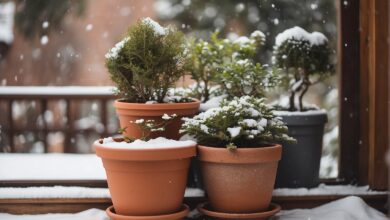
Climate-Resilient Gardening Plants That Survive Extreme Weather
Discover the best climate-resilient plants and drought-tolerant gardening strategies to create a thriving garden that survives heat, cold, flooding.
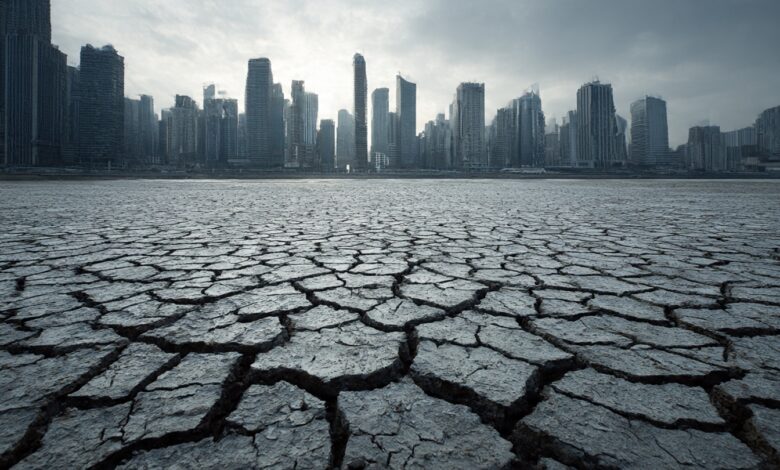
Climate-resilient gardening is becoming essential as extreme weather events reshape how we cultivate our gardens. Building a climate-resilient garden means selecting plants and employing practices that help your landscape withstand droughts, heat waves, heavy flooding, strong winds, and unpredictable temperature swings. This comprehensive guide explores how to transform your garden into a thriving oasis capable of adapting to climate challenges while maintaining its beauty and productivity.
Climate change presents unprecedented gardening challenges. Rising temperatures, prolonged dry periods interrupted by intense rain, unseasonable frosts, and violent storms increasingly threaten traditional garden plants. However, gardeners worldwide are discovering that with strategic plant selection and smart cultivation techniques, creating a resilient landscape is entirely achievable. The key lies in which plants naturally thrive under stress and how to design garden spaces that work with nature rather than against it.
Resilient plants aren’t just about survival—they’re about flourishing. These hardy species have evolved remarkable adaptations that allow them to conserve water, withstand temperature extremes, and recover quickly from damage. By incorporating weather-resistant plants into your landscape, you reduce water consumption, minimize maintenance requirements, and create habitats that support pollinators and wildlife. The transition to sustainable gardening practices centered on these tough, adaptable species represents a fundamental shift in how we approach horticulture. Whether you’re facing increasing drought conditions in arid regions or dealing with excessive moisture in flood-prone areas, this guide provides actionable strategies and specific plant recommendations to help you build a garden that thrives regardless of what nature throws at it.
Climate Resilience in Gardening
Climate-resilient gardening fundamentally changes how gardeners approach plant selection and garden design. Resilience refers to the ability of a garden ecosystem to adapt to and recover from challenging environmental conditions. Rather than fighting nature’s extremes, resilient gardens work with natural systems to create stability and productivity.
The concept extends beyond selecting individual heat-tolerant plants or drought-resistant plants. It encompasses a holistic approach that includes soil health, water management, plant community design, and garden structure. A truly resilient garden maintains function and beauty through various extreme weather scenarios—from blistering heat and water scarcity to heavy rainfall and freezing temperatures.
Your local climate zone, soil composition, rainfall patterns, and seasonal variations form the foundation of climate-resilient gardening. Gardens designed around these site-specific characteristics require less intervention and adapt more naturally to environmental changes. By choosing native plants and those adapted to your ecoregion, you create a landscape that works harmoniously with local conditions rather than constantly struggling against them.
Best Drought-Tolerant Plants for Hot Climates

Selecting appropriate drought-resistant plants is crucial for gardeners facing increasing heat and water scarcity. These heat-resistant plants possess specific adaptations—deep root systems, waxy leaf coatings, reduced leaf surface area, or water-storing tissues—that minimize water loss while maximizing survival during dry periods.
Lavender: The Fragrant Champion
Lavender represents an ideal drought-tolerant perennial for hot, dry conditions. This aromatic herb thrives in full sun and well-drained soil, Climate-Resilient, requiring minimal supplemental watering once established. Beyond its visual beauty and fragrant purple flowers, lavender attracts pollinators while deterring garden pests. The plant’s silvery foliage reflects intense sunlight, reducing heat stress. For gardeners seeking low-maintenance landscaping, lavender delivers consistent performance year after year.
Coneflowers and Black-Eyed Susans
Coneflowers (Echinacea) and black-eyed Susans (Rudbeckia) are native North American plants perfectly suited to hot and dry conditions. These hardy perennials display vibrant daisy-like blooms in purple, pink, white, yellow, and orange throughout summer and into fall. Drought-tolerant flowers like these provide long-lasting color while supporting butterfly and bee populations. Their deep root systems access moisture well below the soil surface, making them exceptional choices for extreme weather gardening.

Russian Sage and Yarrow
Russian sage (Perovskia) adds airiness and height to drought-resistant gardens with its feathery, blue-gray foliage and delicate lavender-blue flower spikes. This heat-tolerant perennial grows three to four feet tall and blooms from midsummer through September. Similarly, yarrow (Achillea) offers fern-like foliage topped with flat, colorful blooms in yellow, pink, and red. Climate-Resilient Both plants establish quickly, require minimal care, and thrive in average to poor soil—making them low-maintenance plants ideal for resource-conscious gardeners.
Succulents and Sedums
Succulents, particularly sedums, represent the ultimate drought-tolerant plants due to their fleshy leaves that store water. Species like sedum, Climate-Resilience Echeveria, and agave endure extended dry periods and require virtually no supplemental irrigation once established. These heat-loving plants contribute striking foliage textures and colors to gardens while demanding minimal attention. Their shallow root systems work well in containers, rock gardens, and strategic landscape positions.
Cold-Hardy Plants for Freezing Temperatures
Climate-resilient gardening also requires preparing for harsh winters and unexpected cold snaps. Cold-hardy vegetables and perennials withstand temperature drops and frost damage that devastate tender plants.
Hardy Vegetables for Winter Growing
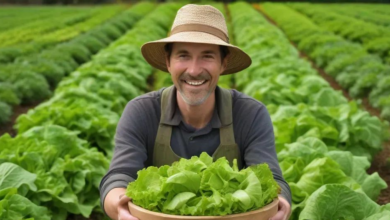
Specific vegetables demonstrate exceptional cold tolerance and continue producing through the winter months. Kale ranks among the hardiest vegetables, improving in flavor after frost exposure. Brussels sprouts, collards, arugula, spinach, and climate-resilient Swiss chard similarly withstand temperatures well below freezing. Garlic, onions, and root vegetables like carrots, parsnips, and turnips develop protective mechanisms allowing winter survival and even thriving in cold soil.
These hardy plants maintain nutritional value through winter, providing fresh harvests when other gardens lie dormant. Gardeners can extend growing seasons using row covers, cold frames, or low tunnels for additional frost protection of these cold-resistant crops.
Perennial Vegetables and Herbs
- Perennial vegetables like asparagus, rhubarb, and kale return year after year despite temperature extremes. Asparagus particularly excels, producing harvests for fifteen to twenty years with minimal care. These low-maintenance perennials reduce replanting requirements while providing reliable cold-season production.
- Rosemary, thyme, and oregano serve as climate-resilient, cold-hardy herbs that survive winter in most regions. Though technically tender in northern climates, these Mediterranean herbs demonstrate impressive resilience and perform exceptionally across diverse growing zones.
Water-Loving Plants for Flood-Prone Areas
Not all extreme weather involves drought. Many regions experience intense rainfall, flooding, and waterlogged soil conditions. Resilient plants adapted to wet environments prevent garden loss during heavy rain events.
Perennials That Tolerate Excess Moisture
- Iris species, particularly blue iris (Iris spuria), thrive in consistently moist to wet conditions. Summersweet (Clethra), willows, sedges, and wood rush (Luzula) similarly tolerate or even prefer moisture-rich environments. These flood-tolerant plants feature specialized root systems and cellular structures allowing oxygen uptake from waterlogged soil.
- Sea holly (Eryngium) and seguier’s spurge (Euphorbia seguieriana) handle extreme moisture fluctuations, making them valuable in flood-prone landscapes. These resilient perennials maintain function and aesthetic appeal when conventional plants would rot or suffer permanent damage.
Shrubs for Wet Conditions
Specific shrub species tolerate prolonged soil saturation. Willows naturally grow in riparian zones and demonstrate exceptional moisture tolerance. Research your hardiness zone to select appropriate varieties suited to your region’s wet conditions while maintaining year-round interest.
Implementing Mulch and Soil Health Strategies
- Climate-resilient gardening relies heavily on soil quality. Healthy soil with adequate organic matter retention capacity supports plant health during stress periods.
- Organic mulch application provides multiple benefits: it regulates soil temperature during heat extremes and cold snaps, retains moisture during drought, suppresses weed growth, and gradually enriches soil as it decomposes. A two to four-inch layer of wood chips, shredded leaves, or compost creates an insulating barrier protecting root systems while fostering beneficial soil microorganisms.
Avoiding tilling preserves soil structure and the vast community of microbes essential for nutrient cycling and water retention. No-till gardening combined with regular mulch application builds naturally fertile soil requiring minimal external inputs. This approach supports sustainable gardening principles while reducing labor requirements.
Water Management and Irrigation Techniques

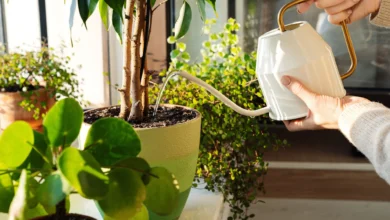
Intelligent watering separates thriving gardens from struggling landscapes. Drip irrigation delivers water directly to the soil, reducing evaporation loss and minimizing foliage wetness that encourages fungal diseases. Watering early morning allows plants to absorb moisture before daytime heat acceleration.
Rain barrels capture roof runoff, providing free irrigation water for dry periods. Rain gardens filter stormwater while replenishing groundwater reserves. These techniques reduce municipal water dependency while managing extreme weather consequences.
Even drought-resistant plants require consistent moisture during establishment phases. Young plants benefit from regular deep watering for the first two growing seasons as root systems develop. Once established, heat-tolerant plants and drought-tolerant varieties dramatically reduce supplemental watering needs.
Seasonal Adaptations and Extended Growing Seasons
Climate-resilient gardening involves adapting planting schedules to changing seasonal patterns. Traditional planting dates no longer guarantee success as frost dates shift and growing seasons lengthen unpredictably. Row covers, cold frames, and shade cloth protect plants from temperature extremes. Early-season covers prevent frost damage to tender seedlings, while late-season covers extend harvest periods for cold-hardy vegetables. Shade cloth reduces heat stress on drought-tolerant plants during extreme heat waves.
Starting seeds earlier or delaying plantings strategically avoids planting directly into periods of extreme stress. Observing local rainfall and temperature patterns rather than relying solely on traditional calendars improves planting success rates.
Creating Pollinator-Friendly Resilient Gardens
Resilient plants supporting pollinators strengthen entire garden ecosystems. Native plants and drought-resistant plants often provide superior nectar and pollen sources compared to non-adapted ornamentals. Coneflowers, black-eyed Susans, lavender, Russian sage, yarrow, and salvias attract bees, butterflies, and hummingbirds while thriving under challenging conditions. Low-maintenance plants producing abundant nectar support pollinator populations essential for food production and ecosystem health.
Providing water sources, leaving seed heads for winter bird food, and avoiding pesticides further enhance garden biodiversity. Gardens supporting robust pollinator and beneficial insect populations demonstrate greater resilience to pest pressures and environmental stress.
More Read: Sustainable Gardening Tips for a Greener Future
Conclusion
Creating a climate-resilient garden capable of surviving extreme weather conditions represents a practical and rewarding approach to modern horticulture. By selecting drought-resistant plants, cold-hardy vegetables, and water-loving species appropriate for your specific site conditions, you build a landscape that thrives despite environmental challenges.
Implementing soil-building practices, intelligent water management, and seasonal adaptations transforms gardening from a struggle against nature into a harmonious partnership. Whether facing heat waves, heavy rainfall, or unpredictable temperature swings, gardeners who embrace climate-resilient gardening principles cultivate spaces of lasting beauty and productivity. Start by identifying your climate challenges, selecting appropriate resilient plants, and building healthy soil—and watch your garden flourish regardless of what extreme weather nature delivers.