Natural Pest Control 12 Ways to Keep Bugs Out Without Chemicals
Learn 12 effective natural pest control methods to eliminate bugs without harmful chemicals. Discover DIY organic solutions for your garden, home.
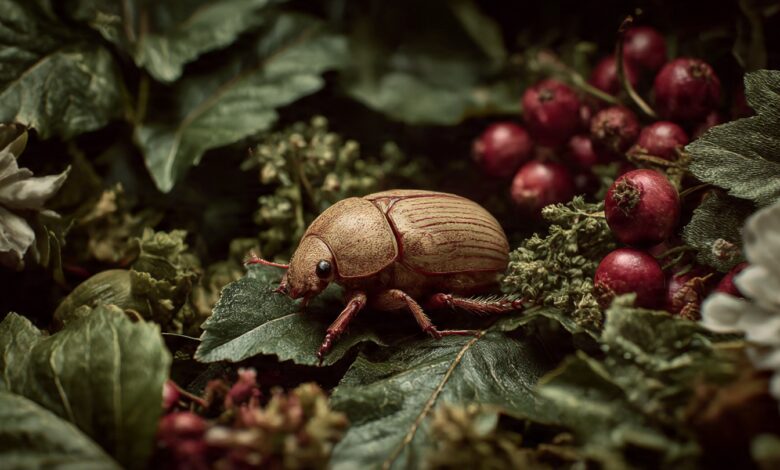
Natural pest control has become increasingly important for homeowners and gardeners who want to protect their families and the environment from harmful chemical exposure. Traditional pesticides can be toxic to beneficial insects, contaminate soil and water, and pose health risks to humans and pets. Instead, many people are turning to organic pest control methods that use nature’s own arsenal to keep unwanted bugs away. These eco-friendly pest control solutions offer a sustainable approach to managing garden pests, household insects, and yard invaders without relying on synthetic chemicals.
Whether you’re dealing with aphids on your tomatoes, ants in your kitchen, or mosquitoes in your backyard, chemical-free pest control techniques can be just as effective as conventional methods. This comprehensive guide explores twelve proven natural bug repellent strategies that you can implement today. From homemade pest solutions to biological pest control, these methods work by disrupting pest life cycles, repelling insects through natural odors, and encouraging beneficial predators to do the work for you.
By embracing organic gardening pest management, you’ll create a healthier ecosystem while protecting your plants and vegetables from damage. These sustainable approaches require minimal investment and rely on ingredients you likely already have at home. Let’s explore these powerful natural methods to reclaim your garden and home from pesky invaders.
1. Essential Oils and Natural Bug Spray Solutions
Essential oil pest control has emerged as one of the most effective natural insect repellents available. Oils derived from plants contain powerful compounds that deter or kill pests without harming your family. Peppermint oil, cedarwood oil, clove oil, and orange oil each have unique properties that target different pest problems. To create a basic DIY bug spray, mix 10-20 drops of your chosen essential oil with 2 ounces of distilled water and 2 ounces of white vinegar in a spray bottle. Peppermint oil works particularly well for general insect repellent, repelling garden pests and even rodents.
Cedarwood oil is especially effective against ants and ticks, making it valuable for both indoor and outdoor applications. Clove oil deters disease-carrying insects and flies, while orange oil destroys the exoskeletons of bugs on contact. The beauty of natural bug spray lies in its versatility. You can apply these mixtures to plants, spray them around windows and doors, or even use them on pets to repel fleas and ticks. The key to success is consistency—reapply your organic bug spray regularly, especially after rainfall, to maintain protection against pests.
2. Neem Oil for Comprehensive Pest Management

Neem oil stands as one of the most powerful tools in organic pest control arsenals. This natural substance, extracted from seeds of the neem tree, is nontoxic to pets and humans while being devastating to over 400 species of insects. Neem oil pest control works by disrupting the hormonal systems of insects, decreasing their ability to feed and reproduce. This makes it effective against aphids, spider mites, whiteflies, thrips, mealybugs, and Japanese beetles.
To prepare a homemade neem oil spray, mix one to two tablespoons of pure, cold-pressed neem oil with a gallon of water and add one to two teaspoons of dish soap to help the mixture adhere to plants. Apply this natural pesticide directly onto affected plants, covering all surfaces, including the undersides of leaves where many pests hide. One advantage of neem tree treatment is its safety for beneficial insects, making it an important component in integrated pest management. Additionally, neem oil helps eliminate powdery mildew and other fungal issues, providing dual benefits for your garden ecosystem.
3. Garlic Spray for Multi-Purpose Pest Deterrence
Garlic spray represents one of the oldest and most reliable natural pest deterrents in gardening history. The intense sulfur compounds in garlic act as a powerful organic insecticide that repels countless pests through odor alone. To make homemade garlic spray, finely chop one-half cup of fresh garlic cloves and add them to three-quarters of a liter of water. Allow this mixture to steep for 24 hours, then strain and spray the liquid directly onto affected plants.
For added effectiveness, puree garlic cloves along with mineral oil and water, let it sit overnight, strain, add a few drops of mild dish soap, and pour into a spray bottle. Garlic-based pest control works against ants, aphids, caterpillars, and numerous other pests while remaining safe pest management for your family. This all-natural insecticide can be applied to vegetables, flowers, and ornamental plants without concern. The pungent odor serves as both a repellent and a warning signal to incoming pests that your garden is not a suitable feeding destination.

4. Companion Planting as Natural Pest Prevention
Companion planting represents one of the most sophisticated approaches to natural pest prevention. This time-honored technique harnesses the power of specific plant combinations to repel pests, attract beneficial insects, and improve overall garden health. Marigolds, for instance, can deter root-feeding nematodes when planted with tomatoes. Basil effectively repels aphids when positioned near lettuce, while also serving as a culinary herb.
Lavender plants are known for repelling fleas and mosquitoes through their strong, pleasant odor. This method of organic pest management works by creating an environment where pests either cannot find their preferred food sources or are actively discouraged by protective plants nearby. Beyond simple deterrence, companion planting strategies attract natural predators like ladybugs, lacewings, and parasitic wasps that consume massive quantities of harmful insects.
Incorporating plants such as sunflowers to divert leaf-footed bugs from tomatoes demonstrates how botanical pest control can redirect pest pressure away from your most valuable crops. By thoughtfully designing your garden layout with pest-resistant plants, you create a self-regulating ecosystem that naturally maintains pest balance without requiring repeated interventions.
5. Diatomaceous Earth for Household and Garden Pests
Diatomaceous earth (DE) is a remarkable natural substance composed of fossilized remains of diatoms—prehistoric algae that became rock powder. This natural pest killer destroys virtually all types of household pests, including fleas, ticks, cockroaches, beetles, and other soft-bodied insects. Food-grade diatomaceous earth is safe for humans and pets when used correctly, making it an ideal choice for families concerned about chemical exposure.
The mechanism behind DE effectiveness is simple yet devastating for pests: the microscopic sharp edges of diatomaceous particles cut through the waxy protective coating of insect exoskeletons, causing dehydration and death. To use diatomaceous earth for pest control, lightly sprinkle the powder where you find pests inside or outside your home. For pet owners dealing with flea and tick infestations, dust food-grade DE directly onto your dog’s or cat’s fur or sprinkle it in areas where pets rest. This chemical-free pest solution poses no toxicity risk to your family while providing comprehensive protection against persistent pests that might otherwise require harsh chemical interventions.
6. Soap Spray as an Effective Organic Solution
Insecticidal soap remains one of the simplest and most effective homemade pest remedies you can create. This natural bug killer works by dissolving the outer coating or shell of insects, eventually causing their death. To make DIY soap spray, simply add one tablespoon of mild dishwashing soap to one gallon of water and spray directly onto affected plants and pests. This basic formula proves highly effective against a wide variety of common household pests, including aphids, scale insects, spider mites, and thrips.
The beauty of soap-based pest control lies in its specificity—it kills soft-bodied insects on contact without harming your plants or leaving toxic residue in your soil. However, it’s important to test this organic bug spray on a small portion of your plant first, waiting 24 hours to ensure no damage occurs. Avoid applying this mixture during the heat of the day, as the combination of soap spray and direct sunlight can cause leaf burn. When used properly, this chemical-free insecticide provides rapid results without environmental impact or health concerns for your family.
7. Beneficial Insects for Long-Term Pest Control
Introducing beneficial insects to your garden creates a natural, self-sustaining system of biological pest control that works continuously throughout the growing season. Ladybugs represent perhaps the most famous beneficial insect, capable of consuming 50-60 aphids daily and up to 5,000 throughout their lifetime. These voracious predators also eat mealybugs, leafhoppers, mites, and other soft-bodied insects and larvae, making them invaluable allies in natural pest management.
Beyond ladybugs, parasitic wasps lay eggs in pest insects, eventually destroying them from within. Lacewings consume significant quantities of aphids, small insects, and mites. Spiders and praying mantises are generalist predators that eliminate numerous pest species. Dragonflies target flying insects like mosquitoes and gnats. This approach to organic pest control requires creating habitat conditions that attract and support these natural predators.
Plant native flowers and flowering herbs to provide nectar and pollen. Avoid using any pesticides, even natural pest control sprays, when beneficial insects are present, as these can harm them along with your target pests. By fostering beneficial insect populations, you establish a balanced ecosystem where pest numbers remain naturally suppressed.
8. Homemade Pepper Spray for Effective Deterrence
Hot pepper spray offers a potent natural pest deterrent that works on both insect and mammalian pests. This homemade insecticide can be made by mixing one tablespoon of dried chile powder with one quart of water and one teaspoon of mild soap, then spraying full strength on plants under attack. For a fresh pepper concoction, blend one-half cup of chopped fresh hot peppers with one cup of water, add the mixture to one quart of water, bring to a boil, cool, strain, and add one teaspoon of mild soap before application.
Cayenne pepper spray works as an excellent organic bug repellent against general pests, particularly caterpillars, cabbage worms, ants, beetles, and cutworms. Beyond its effectiveness on insects, pepper-based pest control also repels rabbits and deer, making it valuable for comprehensive garden protection. Always wear gloves when handling homemade pepper spray to avoid eye irritation, and avoid applying during the heat of the day when sun exposure might cause issues. This chemical-free insecticide provides rapid action against pests while remaining safe for edible plants and human consumption.
9. Garden Maintenance for Natural Pest Prevention
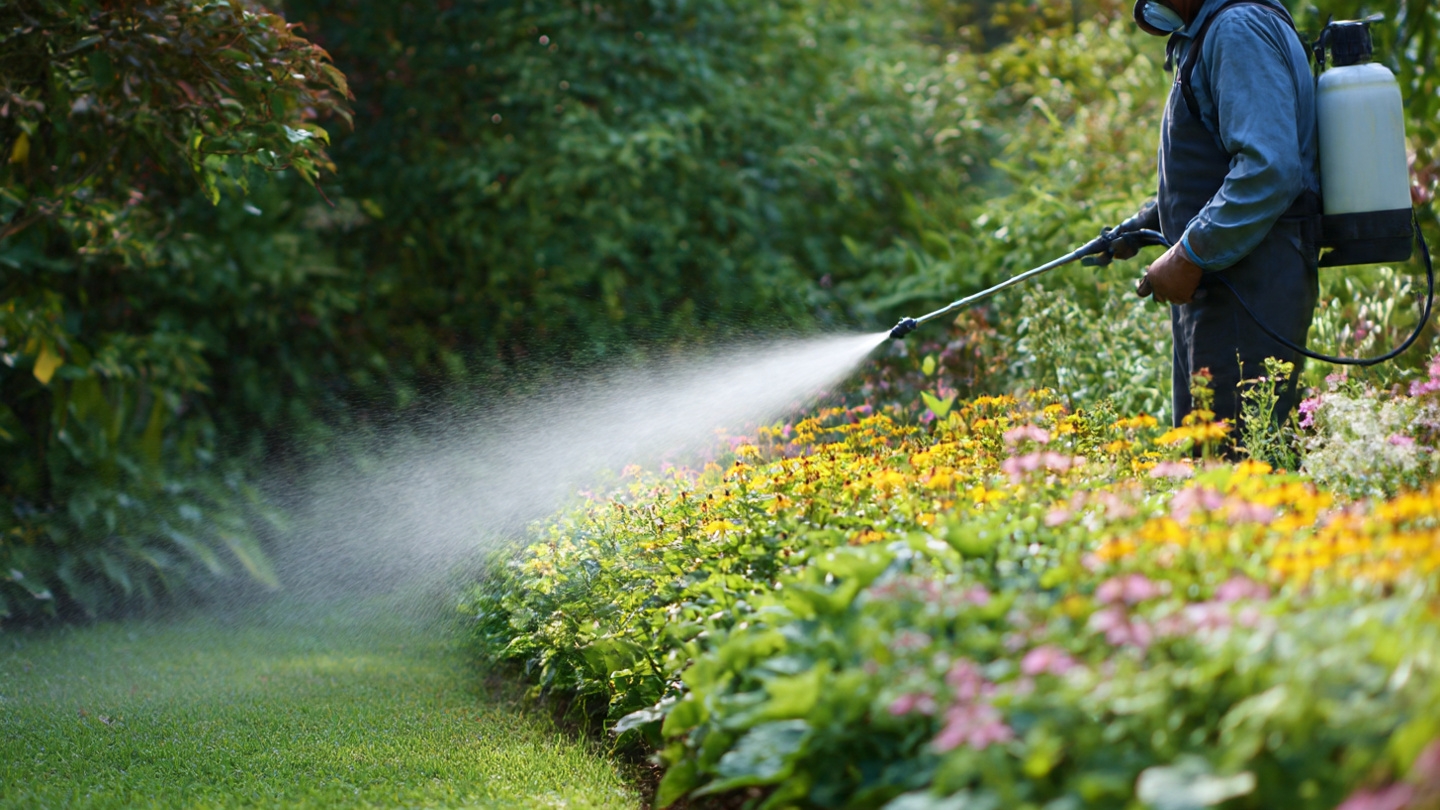
Proper garden hygiene forms the foundation of effective natural pest prevention. By removing weeds, fallen leaves, and other debris from your garden, you eliminate the hiding spots and breeding grounds where pests establish populations. This practice of organic garden maintenance dramatically reduces pest pressure without requiring any sprays or interventions. Insects use these hiding spots to overwinter and reproduce, so regular cleanup during spring and fall significantly disrupts their life cycles.
Additionally, proper watering practices play a crucial role in pest management. Overwatering creates a damp environment that attracts slugs, snails, and fungus gnats. Instead, water deeply but allow the soil to dry between waterings, creating conditions less favorable for moisture-loving pests. Ensuring your plants receive proper nutrients and appropriate growing conditions boosts their natural pest defenses. Healthy plants are inherently more resistant to diseases and insect attacks. Focus on soil quality, organic fertilizer application, and crop rotation strategies to maintain vigorous plant growth. This preventative pest control approach demonstrates that sometimes the best solution is simply maintaining a clean, healthy garden ecosystem where pests struggle to establish themselves.
10. Row Covers and Physical Barriers for Protection
Physical barriers represent one of the most straightforward and reliable approaches to natural pest protection. These mechanical pest control methods include screens, netting, fences, and specially designed row covers that physically prevent pests from accessing your plants. Floating polyester row covers protect crops from environmental stressors while allowing rain, sunlight, and gas exchange to reach plants beneath. This non-chemical pest control method proves especially effective for young plants, most vulnerable to pest damage.
Deer fences and chicken wire protect vegetables from browsing animals, while insect screens and bird netting prevent aerial pests from reaching vulnerable plants. The advantage of this organic pest protection strategy is that it requires no repeated application and doesn’t harm any insects, beneficial or otherwise. For specific pest problems, sticky traps, colored traps, pheromone traps, and light traps can capture and monitor pest populations without chemical intervention. These trap-based pest management systems work particularly well for monitoring pest levels and determining when intervention becomes necessary, making them an essential tool in integrated pest management programs.
11. Tomato Leaf Spray for Targeted Pest Control
Tomato leaf spray represents a centuries-old natural pest remedy that proves particularly effective against aphids and caterpillars. The alkaloids present in tomato leaves and other nightshade plants are toxic to many insect species. To prepare this homemade insecticide, soak 2 cups of chopped tomato leaves in 2 cups of water overnight. The next day, strain the liquid and discard the leaves, then add 2 more cups of water to dilute the mixture. Apply this organic pest spray directly to affected plants.
Alternatively, pack 1 quart of tomato leaves in a sturdy, heat-resistant bucket, pour 1 quart of boiling water over them, and let the mixture steep for one hour before straining and application. This natural bug killer proves highly effective yet requires only materials most gardeners have readily available. However, avoid using tomato leaf spray on tomatoes, eggplants, peppers, or potatoes themselves, as these nightshade family plants could absorb toxic alkaloids. This specificity makes tomato-based pest control ideal for protecting other garden plants while leaving your nightshade crops untouched. The success of this method demonstrates how botanical pest control can harness plant chemistry for pest management.
12. Neem Oil as Root Drench and Systemic Treatment
Beyond foliar application, neem oil can be used as a root drench to provide systemic pest protection that works from within the plant. This advanced natural pest management technique involves mixing one gallon of water with two tablespoons of neem oil and one teaspoon of pure Castile liquid soap. Pour this mixture directly onto the soil around your plants’ roots, allowing the neem compounds to be absorbed and distributed throughout the plant’s vascular system.
This systemic neem treatment provides long-lasting protection against pests while also treating conditions like root rot. The advantage of this internal pest control method is that it reaches pests hiding in places that foliar sprays cannot access. Additionally, systemic neem oil can treat soil-dwelling pests like root maggots and grubs. For best results with this organic pest control technique, apply the root drench during early morning or late evening when plants actively absorb water. Repeat applications every 2-3 weeks during the growing season to maintain continuous pest protection. This method demonstrates the sophistication possible with natural pest control when you understand how plants and natural compounds interact.
More Read: Eggshells in Garden Pest Control: A Natural Solution for a Thriving Garden
Conclusion
Natural pest control offers homeowners and gardeners a powerful alternative to chemical pesticides, combining effectiveness with safety and environmental responsibility. By implementing these twelve proven strategies—from essential oil sprays and neem oil applications to companion planting and beneficial insect management—you can create a comprehensive organic pest control system that protects your garden and home without toxic exposure. Whether you choose homemade pest solutions like garlic spray and tomato leaf spray, employ physical pest barriers and row covers, or foster biological pest control through beneficial insects, these methods work synergistically to maintain pest populations at manageable levels.
The key to success lies in combining multiple approaches, remaining consistent with applications, and understanding that natural pest prevention requires patience and observation. By embracing eco-friendly pest control practices, you’re not only protecting your family’s health but also supporting soil health, beneficial insect populations, and overall ecosystem balance. Start with one or two methods that address your most pressing pest problems, then gradually expand your natural pest management toolkit as you gain experience. The investment in learning and implementing these techniques pays dividends through reduced health risks, lower costs, and the satisfaction of maintaining a thriving garden or home free from chemical contamination while enjoying the fruits of your labor.